Hallmarked silver jewellery is worth buying if you want written proof of purity: a BIS hallmark confirms the piece is genuine sterling silver (925) rather than a lower-grade alloy sold at silver prices. The catch most buyers miss in 2026 is that, unlike gold, BIS hallmarking on silver in India is still voluntary, not mandatory — a large share of silver jewellery on the market carries no hallmark, and no law forces a jeweller to add one.
- Hallmarked silver jewellery is worth buying for verified 925 purity, and yes, that's the honest answer to is hallmarked silver worth it.
- BIS hallmarking on silver stays voluntary in 2026, unlike gold, which has been mandatory nationwide since June 2021.
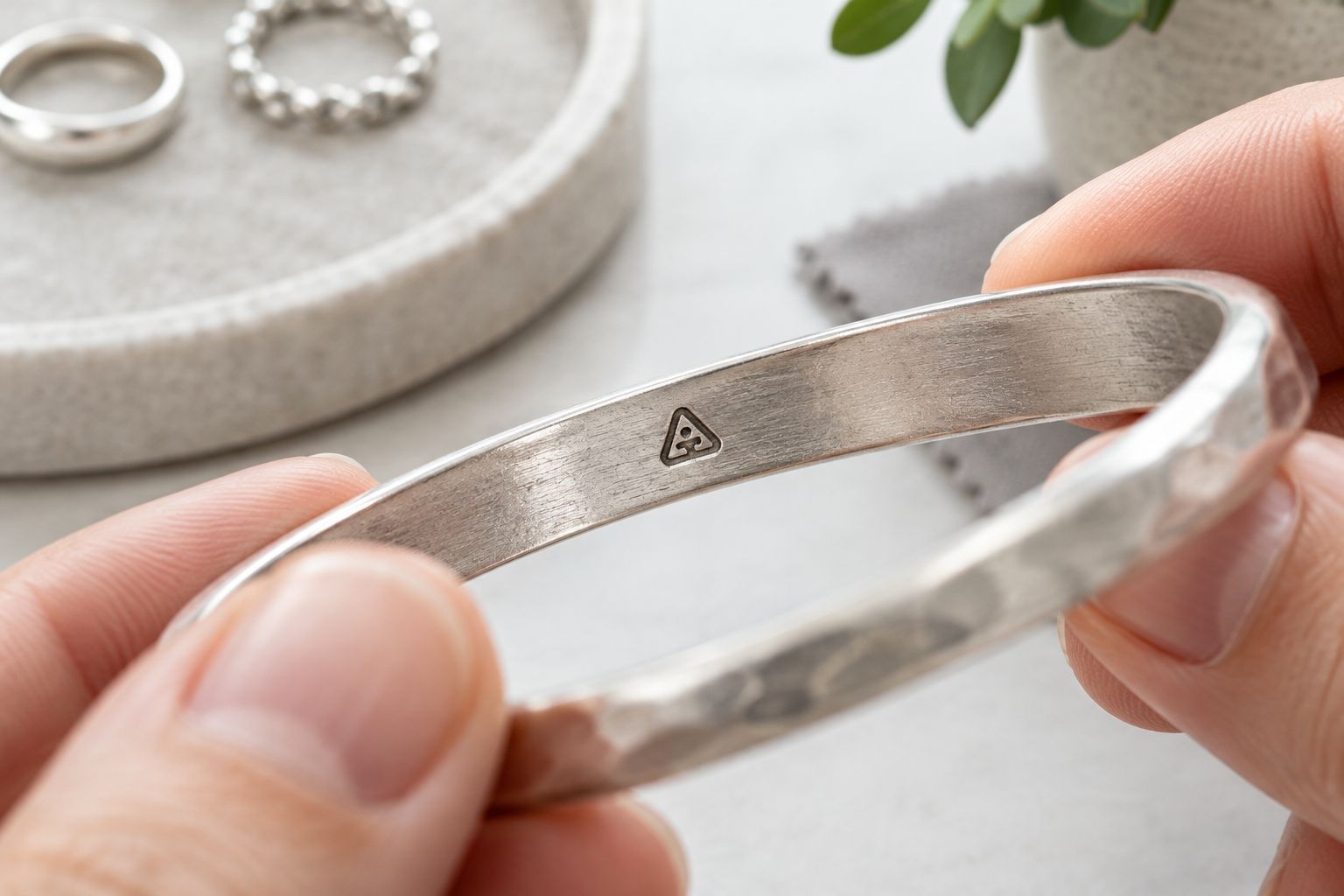
- Look for the BIS mark, the purity grade (925 for sterling), and the jeweller's registration number stamped together.
- Non-hallmarked silver isn't illegal, but you're trusting the seller's word instead of a certified mark.
- Auram Jewellery lists the purity grade against each silver piece, so resale or exchange doesn't open with a purity dispute.
Why this matters
Silver doesn't get the same regulatory attention as gold in India. Gold hallmarking became mandatory nationwide through the HUID system in June 2021 — no HUID, no legal sale. Silver never got that mandate.
The Bureau of Indian Standards launched a dedicated silver hallmarking scheme in November 2021 covering six purity grades, but registration and hallmarking stayed optional for jewellers. That gap matters at checkout: a shop can sell you a piece that's actually 800-grade alloy dressed up as sterling silver, and nothing in Indian law stops them, as long as they don't falsely claim a hallmark that isn't there. The hallmark is the only third-party check standing between you and the seller's word.
Is hallmarked silver jewellery worth buying?
Yes, if the purity guarantee matters to you more than a lower price. Non-hallmarked silver can be perfectly genuine, but you have no independent way to confirm it once you're past the counter.
| Factor | Hallmarked silver | Non-hallmarked silver |
|---|---|---|
| Purity proof | BIS-certified purity grade stamped on the piece | Seller's claim only, no third-party check |
| Resale or exchange | Grade recognized instantly by any jeweller | Requires re-testing before resale |
| Legal status in 2026 | Voluntary under BIS | Not illegal, common in the market |
| Traceability | Registered jeweller's mark included | No accountability trail |
| Best for | Buyers who want a paper-thin proof of purity | Buyers who trust the specific seller |
925 sterling silver: the grade that matters most
925 is the number to look for on any hallmark stamp — it means 92.5% pure silver alloyed with 7.5% other metal, usually copper, for strength. It's the standard for fine jewellery worldwide, not just in India, and traces back to the English sterling silver standard formalized under King Edward I in the 13th century. It's durable enough for daily-wear rings, chains and anklets, which is why most Indian jewellers default to it.
800 silver: the grade to watch for
800-grade silver is only 80% pure — more alloy, less silver, and it tarnishes faster while holding less resale value gram for gram than 925. It's not illegal to sell 800-grade pieces, but they shouldn't be priced like sterling silver, and an unmarked piece could be 800-grade without you ever knowing it.
Why hallmarking on silver varies from shop to shop
The voluntary status of silver hallmarking shows up in real, inconsistent behavior across the market. A few reasons drive that inconsistency:
- The scheme itself is optional — BIS registration and hallmarking fees are costs a jeweller can simply skip on lower-margin silver.
- Silver margins are thinner than gold margins, so absorbing hallmarking costs is a harder call for small and mid-size sellers.
- Hallmarking centres cluster unevenly across India, so access genuinely differs by state and city.
- No legal penalty exists for selling non-hallmarked (but honestly represented) silver, unlike gold's mandatory HUID rule.
- Buyers rarely demand it for silver the way they demand it for gold, so there's less market pressure pushing sellers to certify.
- Resale counters discount non-hallmarked silver because they have to re-test it before offering anything, which quietly punishes buyers who skipped the hallmark at purchase.
Shop hallmarked silver jewellery
Browse pieces with the purity grade stamped and listed against each design.
If you're buying for daily wear or gifting, check that the piece states its purity grade on the tag itself, not just on a certificate you can't verify in-store. Auram Jewellery's silver pendant sets list the purity grade against each design, so an exchange or resale later doesn't start with a purity argument.
Related questions
How do I verify silver purity before checkout?
Check the hallmark stamp for the BIS mark, the purity grade (like 925), and the jeweller's registration number stamped together on the piece. If there's no hallmark, ask the seller to state the purity grade in writing before you pay — that written claim matters if a dispute comes up later.
Is silver jewellery a good investment?
Silver jewellery holds some resale value tied to metal weight and purity grade, but making charges and design premiums are rarely recovered on resale. It works better as jewellery you'll actually wear in 2026 than as a pure investment vehicle — treat any resale value as a bonus, not the reason to buy.
Can silver jewellery turn skin green?
Pure sterling silver (925) rarely turns skin green; the discoloration usually comes from a lower-purity alloy reacting with sweat, lotion or humidity. Checking the purity grade before buying is the single best way to reduce that risk.
FAQ
Is hallmarked silver jewellery worth buying in 2026?
Yes — a BIS hallmark confirms the piece is genuine sterling silver (925) rather than an unverified alloy, which protects wear quality and resale value. Hallmarking on silver stays voluntary in India, so treat the mark as a bonus guarantee, not a legal requirement every seller must meet.
Is silver hallmarking mandatory in India?
No — silver hallmarking is voluntary in 2026, unlike gold hallmarking, which has been mandatory nationwide through the HUID system since June 2021. A jeweller can legally sell silver jewellery without any BIS mark.
What does 925 mean on silver jewellery?
925 means the piece is 92.5% pure silver alloyed with 7.5% other metal, usually copper, for strength. It's the standard purity grade used in sterling silver jewellery worldwide.
What are the BIS purity grades for silver?
BIS recognizes six silver purity grades: 990, 970, 925, 900, 835 and 800. 925 (sterling) is the grade used in most fine jewellery; 800 is the lowest grade still sold as silver.
Does non-hallmarked silver mean it's fake?
Not necessarily — non-hallmarked silver can still be genuine, but you're relying on the seller's word instead of a certified purity mark. Ask for the purity grade in writing if a piece has no hallmark.
Does silver jewellery turn skin green?
Pure sterling silver rarely turns skin green; discoloration usually comes from a lower-purity alloy reacting with sweat or lotion. Checking the purity grade before buying reduces that risk significantly.
Is silver jewellery a good investment?
Silver jewellery holds some resale value tied to metal weight and purity grade, but making charges and design premiums are rarely recovered on resale. It works better as jewellery you'll wear than as a pure investment.
How do I verify silver purity before checkout?
Check the hallmark stamp for the BIS mark, the purity grade like 925, and the jeweller's registration number stamped together on the piece. No hallmark means asking the seller for the purity grade in writing before paying.
One last thing
Gold hallmarking runs on a six-digit HUID code that ties every single piece back to a specific jeweller and assay centre — a real traceability system. Silver has no equivalent tracking in 2026, so a hallmark on silver is a good-faith addition from the jeweller, not a traceable ID the way gold's HUID is. That's exactly why the purity grade printed on the tag, not just a certificate in a drawer, is what actually protects you at resale.