Silver jewellery is a decent inflation hedge and a strong gifting choice in 2026, but it is not a reliable investment on its own — making charges, design premiums, and buyback deductions eat into whatever the silver price gains. If wearable value matters more than pure returns, a hallmarked piece from Auram Jewellery works; if returns are the only goal, buy silver bars or coins instead.
- Silver jewellery is a good investment in 2026 for wear and gifting, weak for pure returns.
- 925 sterling silver jewellery loses making charges and design premium at resale, unlike silver bars.
- Silver bars and coins at 999 purity track the market price closer than any jewellery piece.
- Auram Jewellery hallmarks its silver pieces so purity is verified before purchase or resale.
- 3% GST applies to silver jewellery purchases in India in 2026, same as gold.
Why this matters
Silver has been pitched as an inflation hedge through 2025 and into 2026, and a lot of that enthusiasm gets pointed at jewellery counters instead of bullion dealers. That's a mismatch: jewellery is priced for wear, not for resale efficiency.
Buyers walk into a store wanting both — a piece for a wedding or festival gift, and money that grows. Silver jewellery can deliver one of those reliably. Knowing which one before you buy saves you a disappointing exchange conversation later.
Is silver jewellery a good investment in 2026?
Short answer: treat it as adornment with a silver floor, not as an investment class. The metal content holds some value, but the craftsmanship, stones, and design work you paid for at purchase almost never come back at resale.
| Asset | Purity standard | Resale value | Best for | Verdict |
|---|---|---|---|---|
| Hallmarked silver jewellery | 925 (92.5% silver) | Lower — making charges and design premium deducted | Everyday wear, festival and bridal gifting | Wear it; don't count on it as an investment |
| Silver bars and coins | 999 (99.9% silver) | Higher — priced close to the day's market rate | Pure investment, wealth storage | Better choice if returns are the actual goal |
| Hallmarked gold jewellery | 916 (22KT) | Moderate — gold historically holds value better than silver | Bridal sets, heirloom pieces, dual-purpose buys | Stronger long-term store of value than silver jewellery |
The gap between the top and bottom row is the entire argument. Silver bars carry almost no craftsmanship cost, so their resale value tracks the market price of silver closely. A hallmarked silver necklace carries an artisan's labor, a design, sometimes stones — none of which a buyer or exchange counter pays for again in 2026. Auram Jewellery's own silver pieces follow the 925 standard listed above, verified before they ship.
Silver jewellery: built for wear, not appreciation
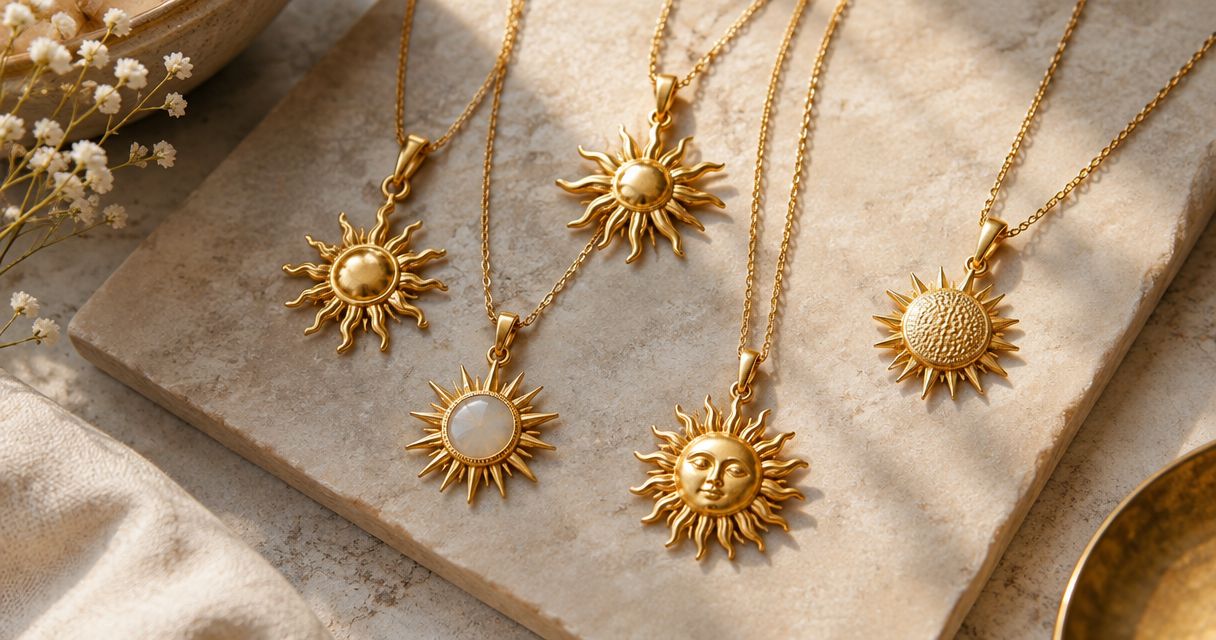
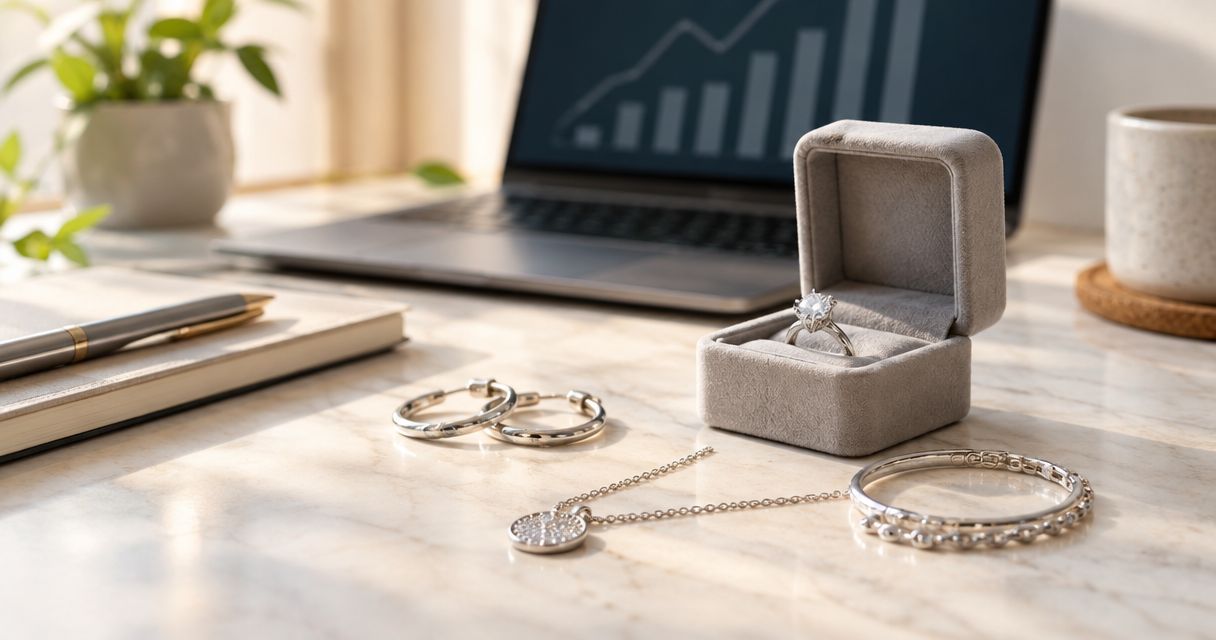
A hallmarked silver bangle or pendant set is priced for the day you buy it, not the day you sell it. The 925 stamp confirms 92.5% purity, but the remaining cost — labor, design, sometimes rhodium plating — gets absorbed by you at purchase and lost at resale.
Auram Jewellery hallmarks its silver pieces before they leave the workshop, which matters more at resale than at purchase — a verified hallmark is what a buyback counter checks first. If you want to confirm a piece's purity before checkout, this guide walks through the process step by step.
Wear quality is a separate question from investment quality, and it's worth asking before you buy: some silver alloys react with skin oils and sweat, and certain pieces can leave a green tint on skin that has nothing to do with resale value but everything to do with daily comfort.
“Silver jewellery is jewellery first and investment second.”
Silver bars and coins: the route for pure investment
Investment-grade silver is stamped 999, meaning 99.9% purity, with none of the design premium a jewellery piece carries. A bar or coin's resale price tracks the day's silver rate almost directly, minus a small dealer margin.
This is the honest alternative for anyone who wants silver as a 2026 portfolio line rather than a wearable one. It won't sit around your neck at a wedding, but it also won't shed value to craftsmanship costs the moment you walk out of the store — a drag that jewellery always carries.
If the goal is pure return, silver bars and coins beat silver jewellery on every resale metric. If the goal is wearing something meaningful while holding partial value, jewellery still wins.
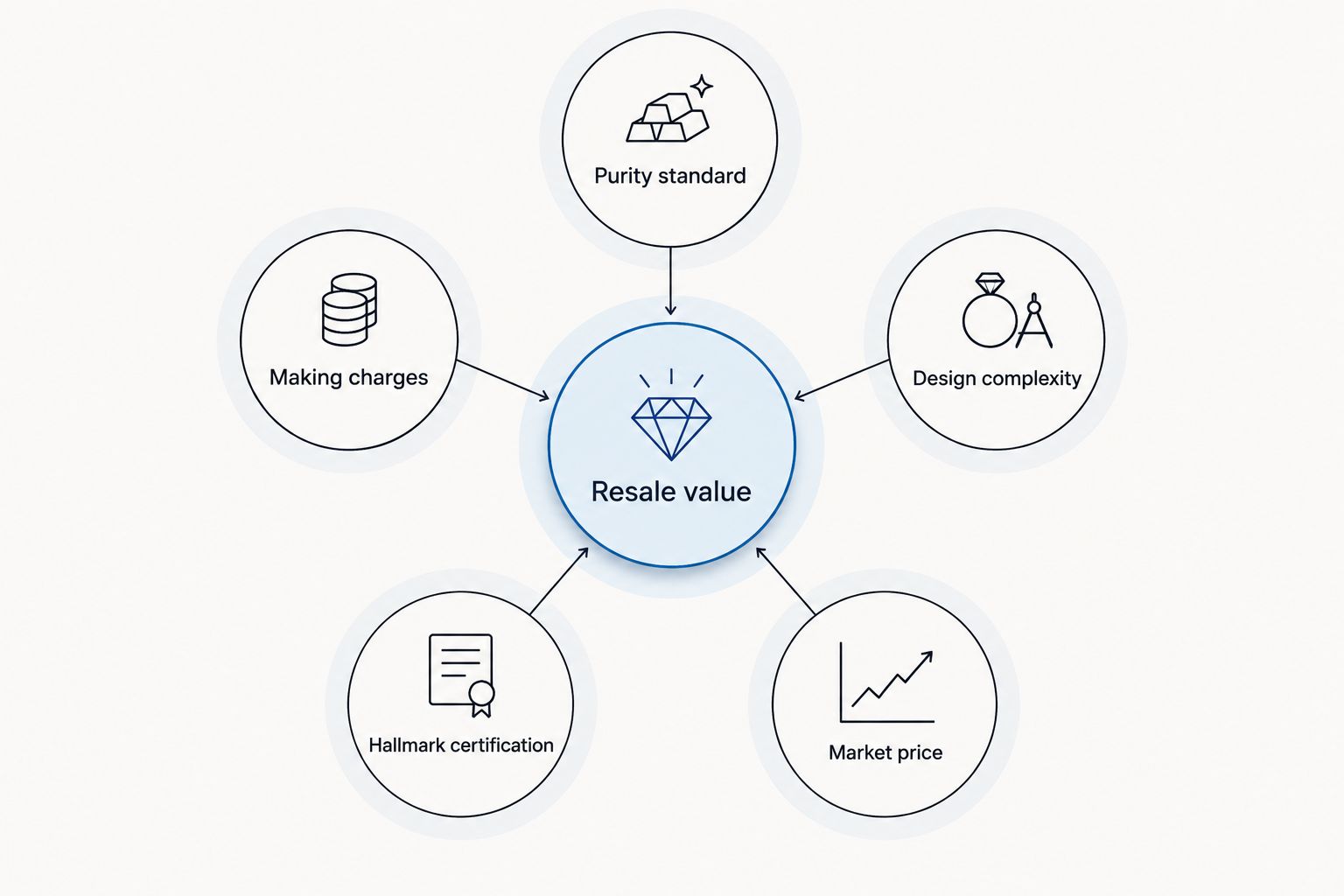
Why silver jewellery's investment value varies in 2026
- Purity standard — 925 sterling silver carries alloy metals that investment-grade 999 silver doesn't, so the two are priced differently even at the same weight.
- Making charges — artisan labor is charged once, at purchase, and is almost never recovered at resale or exchange.
- Design complexity — filigree work, stone-setting, and plating add cost upfront that buyback counters typically ignore.
- Hallmark certification — a verified 925 stamp speeds up resale and buyback; unmarked or unverifiable silver gets discounted harder.
- Market price swings — silver's price moves with industrial demand as well as investment demand, adding more volatility than gold typically sees.
- Buyback policy of the seller — exchange terms vary by jeweller, and that policy affects what you actually get back more than the metal's spot price does.
Compare silver pieces before you buy
See hallmarked silver jewellery collections at Auram Jewellery.
Does silver jewellery appreciate in value over time?
Silver jewellery can gain value if the market price of silver in 2026 rises above what it was when you bought the piece, but the making charges and design premium you paid never come back. The metal appreciates; the craftsmanship cost doesn't. That's why bars and coins, with no craftsmanship cost to lose, appreciate more cleanly than jewellery.
Is 925 sterling silver pure silver?
925 sterling silver is 92.5% pure silver, alloyed with 7.5% other metal, usually copper, for durability. Investment-grade silver is marked 999, or 99.9% purity, which is why bars and coins use that standard instead of the 925 stamp jewellery carries.
Is gold a better investment than silver jewellery in 2026?
Gold jewellery, particularly 916 hallmarked 22KT pieces, tends to hold value better than silver jewellery over time because gold's market price has historically moved with less volatility. Silver's price swings more with industrial demand on top of the same making-charge deductions silver jewellery carries, so gold edges it out as a store of value in 2026.
FAQ
Is silver jewellery a good investment in 2026?
Silver jewellery is not a strong investment in 2026; treat it as a wearable asset that holds partial resale value, not a wealth-building tool. Making charges and design premiums, typically deducted at buyback, mean you rarely get back what you paid.
Does silver jewellery appreciate in value over time?
The metal content in silver jewellery can appreciate if the market price of silver rises, but the making charges and design premium you paid never get recovered. Bullion appreciates more cleanly because there's no craftsmanship cost to lose.
Is 925 sterling silver pure silver?
925 sterling silver is 92.5% pure silver alloyed with 7.5% other metals, usually copper, for strength. Pure investment-grade silver is marked 999, or 99.9% purity, which is why bars and coins use that standard instead.
Is gold a better investment than silver jewellery in 2026?
Gold jewellery, especially 916 hallmarked 22KT pieces, holds value better than silver jewellery over time because gold's market price has historically been more stable. Silver's price swings more with industrial demand, adding volatility on top of the same making-charge deductions.
Can silver jewellery turn skin green?
Some silver jewellery can discolor skin when the alloy's base metals react with sweat or lotion, not because the silver itself is impure. Checking the hallmark before buying reduces this risk.
How do I verify silver purity before buying jewellery?
You verify silver purity by checking the BIS hallmark stamp, usually 925, and asking for a purity certificate at checkout. Reputable jewellers list the hallmark number so you can cross-check it before paying.
Should I buy silver jewellery or silver coins for investment?
Buy silver coins or bars if pure investment return is the goal, and buy silver jewellery if you want to wear and gift while holding partial value. Mixing both keeps liquidity and adornment separate.
What GST applies to silver jewellery purchases in 2026?
Silver jewellery purchases in India carry 3% GST, the same rate applied across gold and silver jewellery categories. This is added at checkout on top of the making charges.
One last thing
The number that actually decides whether silver jewellery pays you back isn't the silver rate on the day you buy — it's the buyback policy written into your invoice. Ask what portion of the making charge, if any, a jeweller returns on exchange before you ask about the silver rate; that answer tells you more about 2026 resale value than any market forecast will.