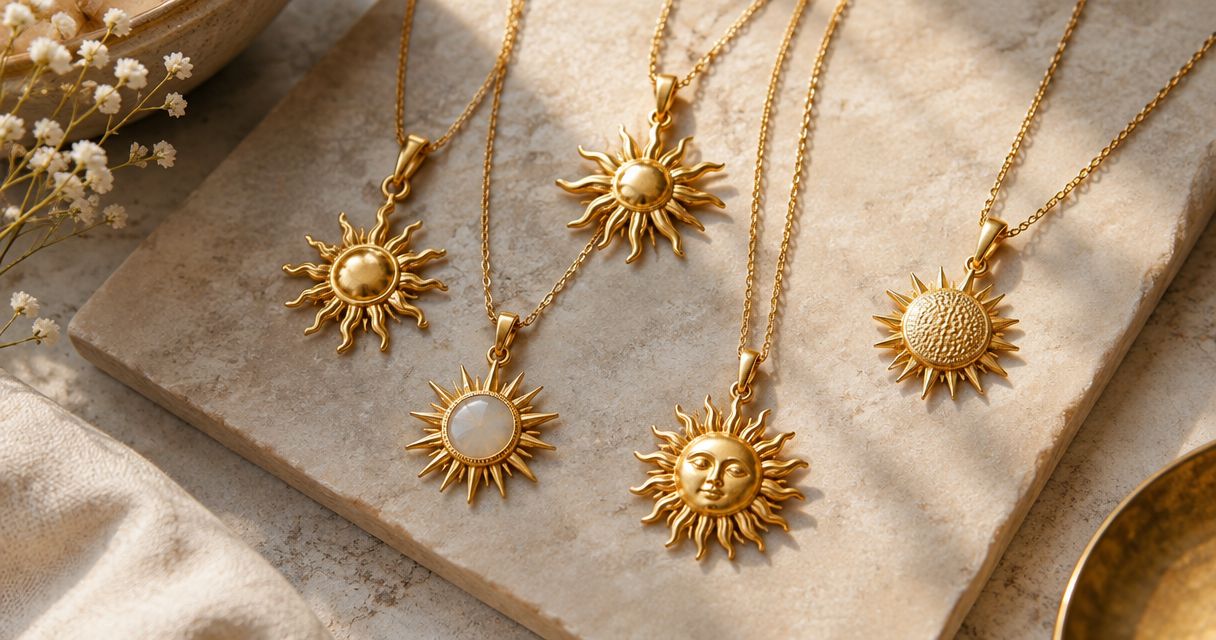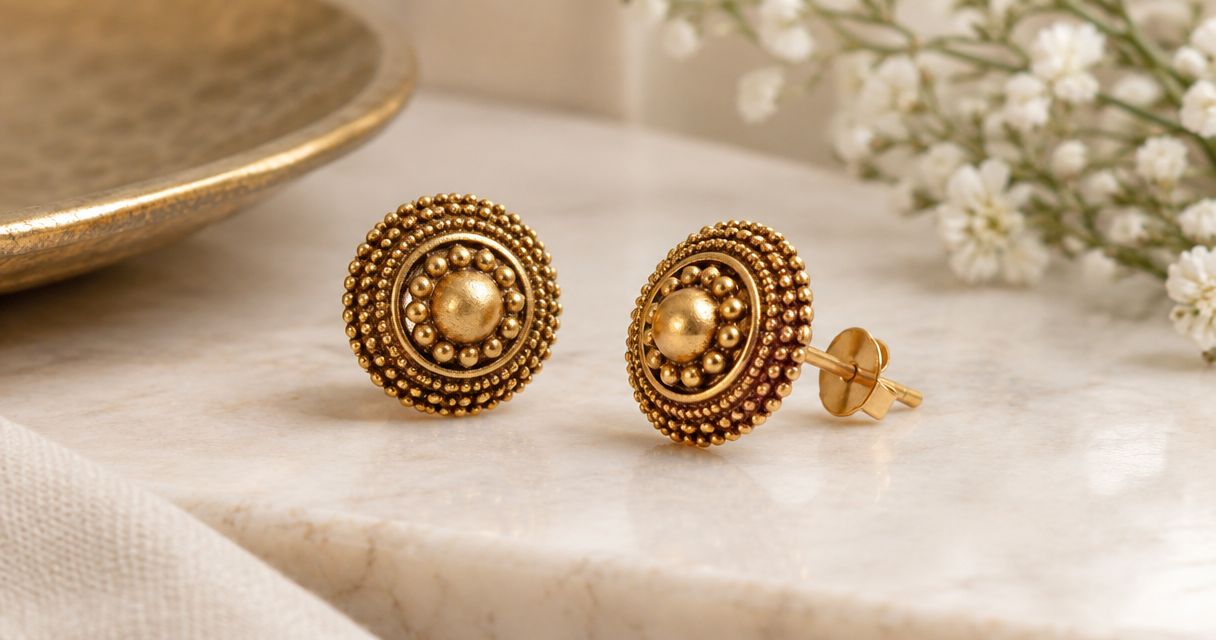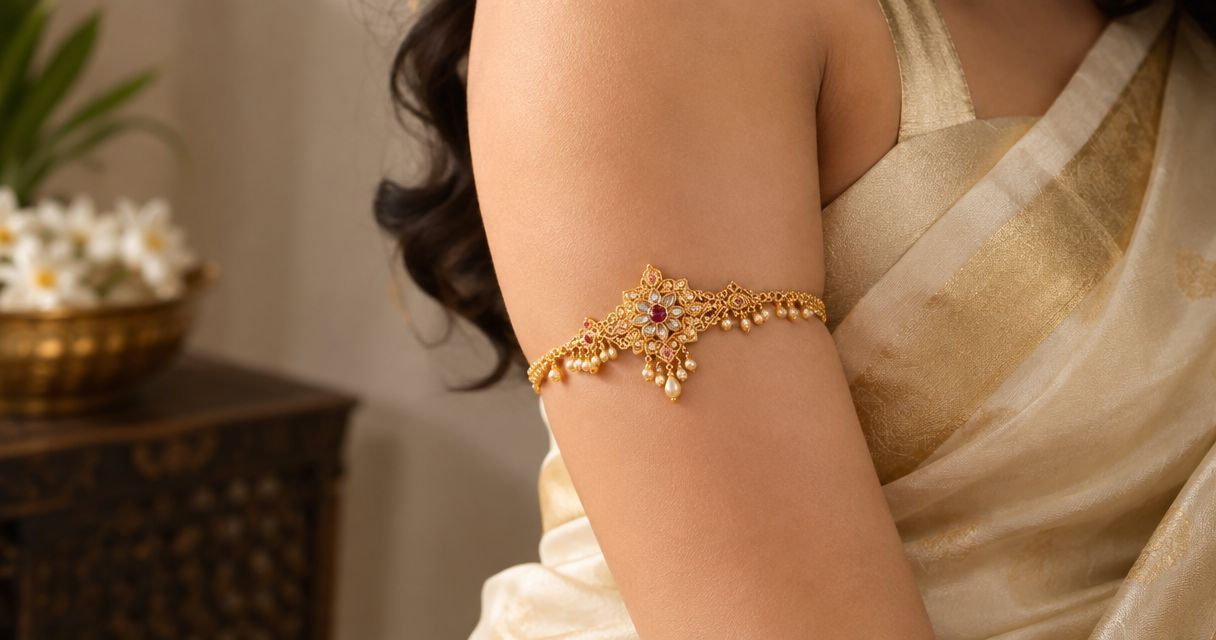

Yes, you can wear gold jewellery every day — the purity you choose decides whether it holds up. 22KT gold (916 hallmark, 91.6% pure) is soft enough to scratch, bend and thin under daily friction, while 18KT (750, 75% pure) and 14KT (585, 58.5% pure) resist wear better because they carry more alloy metal in the mix. The part most buyers miss: karat purity, not price or design, is what determines how much a daily-wear piece will show wear after a year of continuous use.
- You can wear gold jewellery daily, but 22KT (916) scratches and bends faster than 18KT (750) or 14KT (585).
- Auram Jewellery's lightweight daily-wear collection uses design choices — thicker bands, secure settings — built for continuous use, not just occasion wear.
- BIS hallmarking (916, 750, 585) tells you the purity level before you decide if a piece suits daily wear.
- Stone-heavy and high-relief 22K pieces wear faster than plain, low-profile designs regardless of karat.
Why this matters
Most jewellery buyers in India default to 22KT gold because it's the cultural standard and holds resale value well. But 22K's high purity — the same trait that makes it valuable — also makes it structurally soft.
A thin 22K chain worn every day at a desk job, in the kitchen, or at the gym will show thinning, stretched links or bent clasps faster than the same design in 18K. Purity and durability move in opposite directions in gold — the metal that's most "pure gold" is also the least resistant to daily mechanical stress. This is why 18KT and 14KT dominate daily-wear rings and bracelets in Western markets, and why Indian jewellers now offer lightweight 22K and 18K lines specifically engineered for continuous wear.

Can you wear gold jewellery every day?
Yes — but match the karat and design to your routine. The table below breaks down how the three common purities behave under daily conditions.
| Purity (Hallmark) | Composition | Daily-wear durability | Best for |
|---|---|---|---|
| 22KT (916) | 91.6% gold, 8.4% alloy | Soft, scratches and bends easily | Occasion pieces, light daily-wear designs |
| 18KT (750) | 75% gold, 25% alloy | Firmer, resists dents and scratches better | Rings, bracelets worn daily |
| 14KT (585) | 58.5% gold, 41.5% alloy | Hardest of the three, most scratch-resistant | Everyday rings, kids' jewellery |
The general rule: the lower the karat number, the more alloy metal (usually copper, silver or zinc) is mixed in, and the harder the finished piece becomes. That's why a 14K ring survives a decade of daily wear better than a 22K ring of the same design.
22KT gold (916): daily wear durability
22KT gold is the softest of the common purities and shows visible wear fastest under daily friction — thinning chains, dented bangles, bent prongs. It still works for daily wear if the design compensates: thicker gauge metal, fewer open settings, minimal stone work. Auram Jewellery's lightweight gold jewellery for daily wear collection is built around this exact trade-off — 22K purity in designs engineered to hold up under regular use. Verdict: wearable daily, but only in low-profile, well-set designs — Skip thin chains and open-claw settings in pure 22K for daily rotation.
18KT gold (750): daily wear durability
18KT gold holds a meaningful edge for anything worn continuously — rings, bracelets, everyday earrings. The extra alloy content resists dents and scratches noticeably better than 22K without sacrificing much color richness. It's the standard purity for daily-wear fine jewellery in most international markets. Verdict: Buy for rings and bracelets you don't plan to remove often.
14KT gold (585): daily wear durability
14KT is the hardest and most scratch-resistant of the three, which makes it the safest choice for pieces that see constant friction — gym rings, watches, children's jewellery. The trade-off is a paler, less saturated gold tone since nearly half the metal is alloy. Verdict: Buy when durability matters more than deep gold color.
Why gold jewellery wear varies
Karat purity isn't the only factor. These variables change how fast any gold piece shows wear:
- Setting type — open-claw and prong settings snag on fabric and hair; bezel or flush settings protect stones and edges better.
- Metal thickness — a thin chain or band wears through faster than a thicker one of the same karat.
- Stone density — heavily embedded pieces have more points where prongs can loosen or bend.
- Activity exposure — chlorine, gym equipment, sanitizer and cleaning chemicals accelerate surface wear and can dull shine.
- Plating — rhodium-plated pieces (common on white gold) need periodic re-plating as the coating wears off with daily contact.
- Storage habits — tossing jewellery loose in a bag or drawer causes more scratching than separate pouches or boxes.
BIS hallmarking (916, 750, 585) is the only reliable way to confirm which purity you're actually buying before deciding if a piece fits your daily routine — check how to verify BIS hallmarking before buying gold jewellery if you're unsure how to read the mark on a piece.
Shop gold built for daily wear
Lightweight 22KT designs made for continuous use, not just occasions.
Related questions
Does 22K gold wear out fast?
22K gold wears faster than 18K or 14K because it's 91.6% pure, leaving less alloy metal to resist scratches and dents. Thin chains and open settings show this fastest; thicker, low-profile 22K pieces hold up much longer under the same daily use.
Is 18K gold better than 22K for daily wear?
18K gold resists dents and scratches better than 22K because it carries 25% alloy content compared to 22K's 8.4%. It's the better pick for rings and bracelets worn every day, though 22K still holds stronger resale value and cultural preference in India.
Can you shower or swim with gold jewellery?
Occasional water contact won't damage gold itself, but chlorine and prolonged soaking can dull shine and loosen stone settings over time. Removing jewellery before swimming or intense workouts protects prong settings and rhodium plating on white gold pieces specifically.
Does daily-wear gold need rhodium plating?
Only white gold needs rhodium plating, and it wears off with daily contact regardless of the underlying purity. Yellow and rose gold pieces (925, 750, 916) don't carry this coating and don't need re-plating from daily wear alone.
FAQ
Can you wear gold jewellery daily?
Yes, you can wear gold jewellery daily as long as the purity and design suit continuous use — 18KT (750) and 14KT (585) resist wear better than 22KT (916). Low-profile, well-set 22K pieces also work fine for daily rotation.
What karat of gold is best for everyday wear?
18KT (750) is generally the best balance of durability and gold color for everyday wear. It resists dents and scratches better than 22KT while keeping more richness than 14KT.
Does gold jewellery get damaged from sweat?
Sweat itself doesn't damage gold, but the salt and moisture can dull surface shine and accelerate tarnishing on lower-karat alloys over time. Wiping jewellery dry after workouts keeps the finish intact longer.
How do you know the purity of gold before buying?
Check the BIS hallmark stamped on the piece — 916 means 22KT, 750 means 18KT, and 585 means 14KT. Every hallmarked piece in India carries this mark along with the jeweller's identification code.
Should you remove gold rings for gym or housework?
Removing gold rings for gym sessions and heavy housework reduces the dents and scratches that come from repeated impact. It matters most for 22KT rings, which are softer than 18K or 14K equivalents.
Does 22K gold bend easily?
Yes, 22K gold bends more easily than 18K or 14K because it contains only 8.4% alloy metal for structural support. Thicker 22K designs resist bending far better than thin chains or delicate bands.
Is lightweight gold jewellery good for daily wear?
Lightweight gold jewellery designed specifically for daily wear balances low weight with secure settings and thicker critical points like clasps and prongs. This design approach matters more for daily durability than purity alone.
One last thing
The purity number on the hallmark tells you the gold content, not the piece's daily-wear rating — a thin 22K chain and a thick 22K bangle age completely differently under the same routine. Before buying anything for daily rotation, ask about the metal gauge and setting type, not just the karat stamped on it.