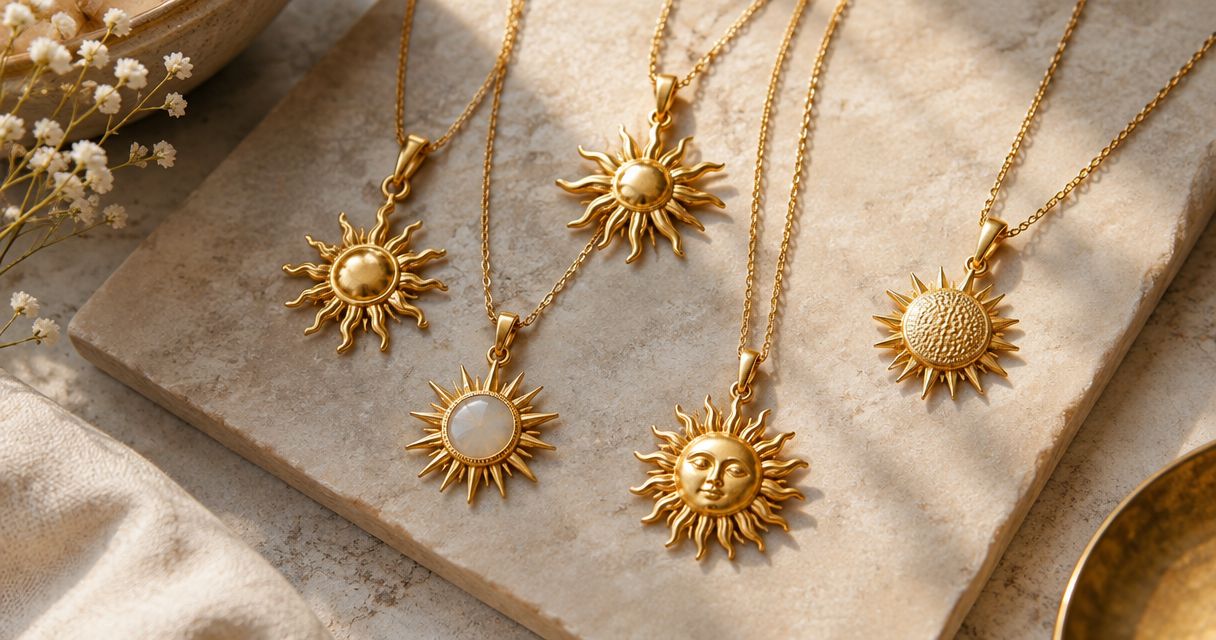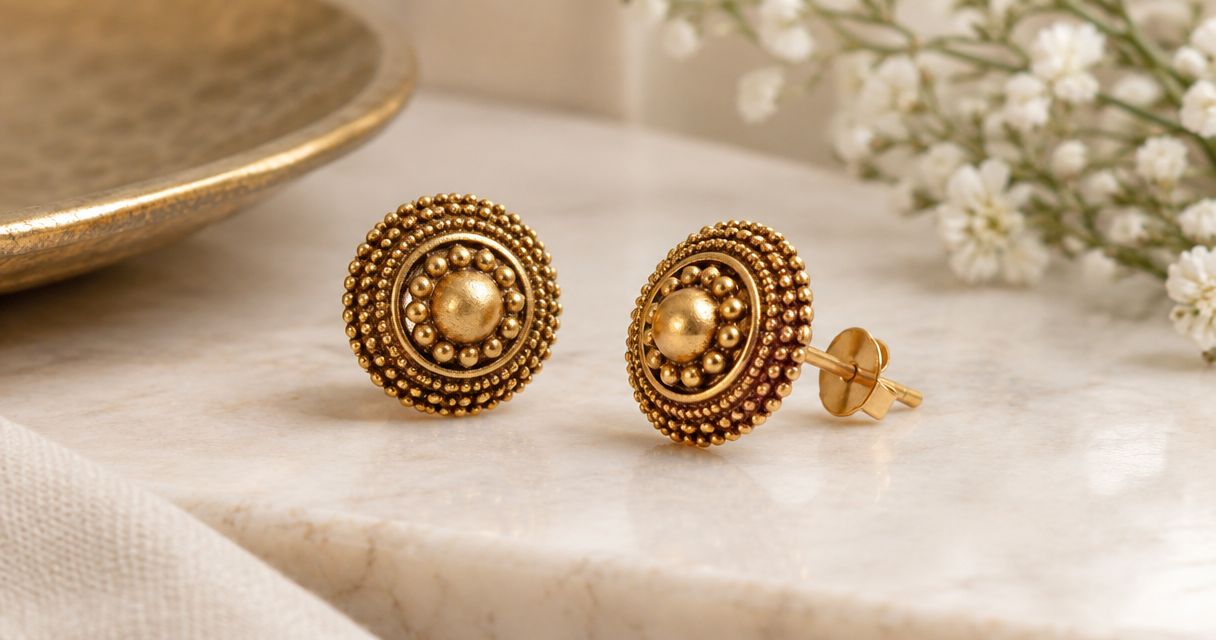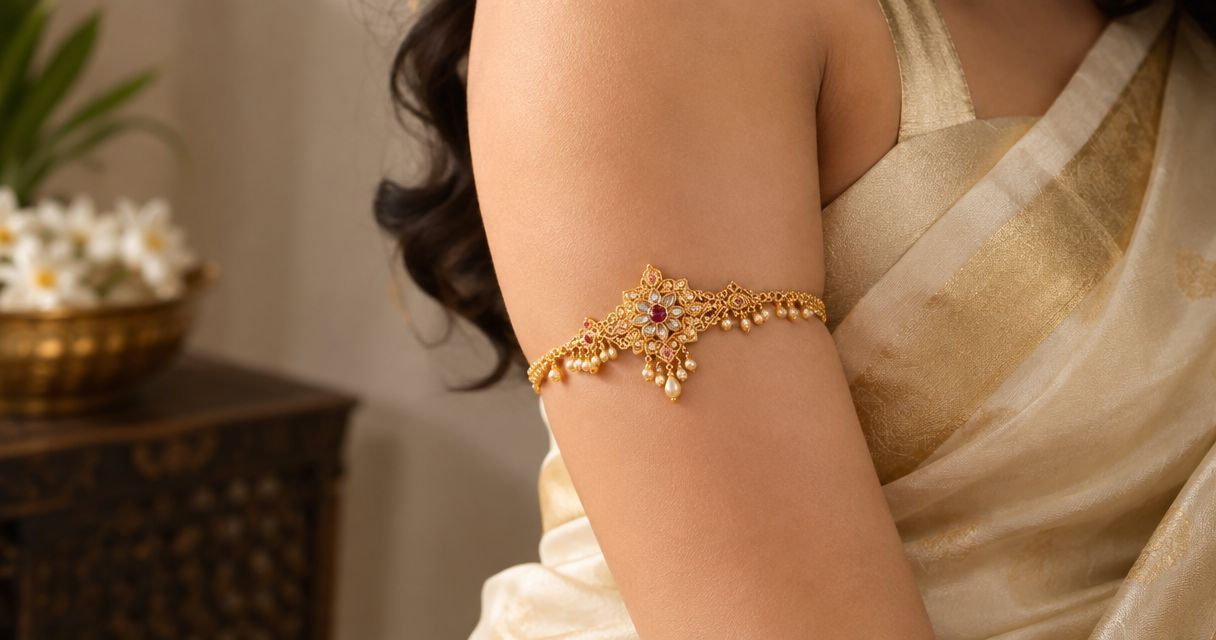
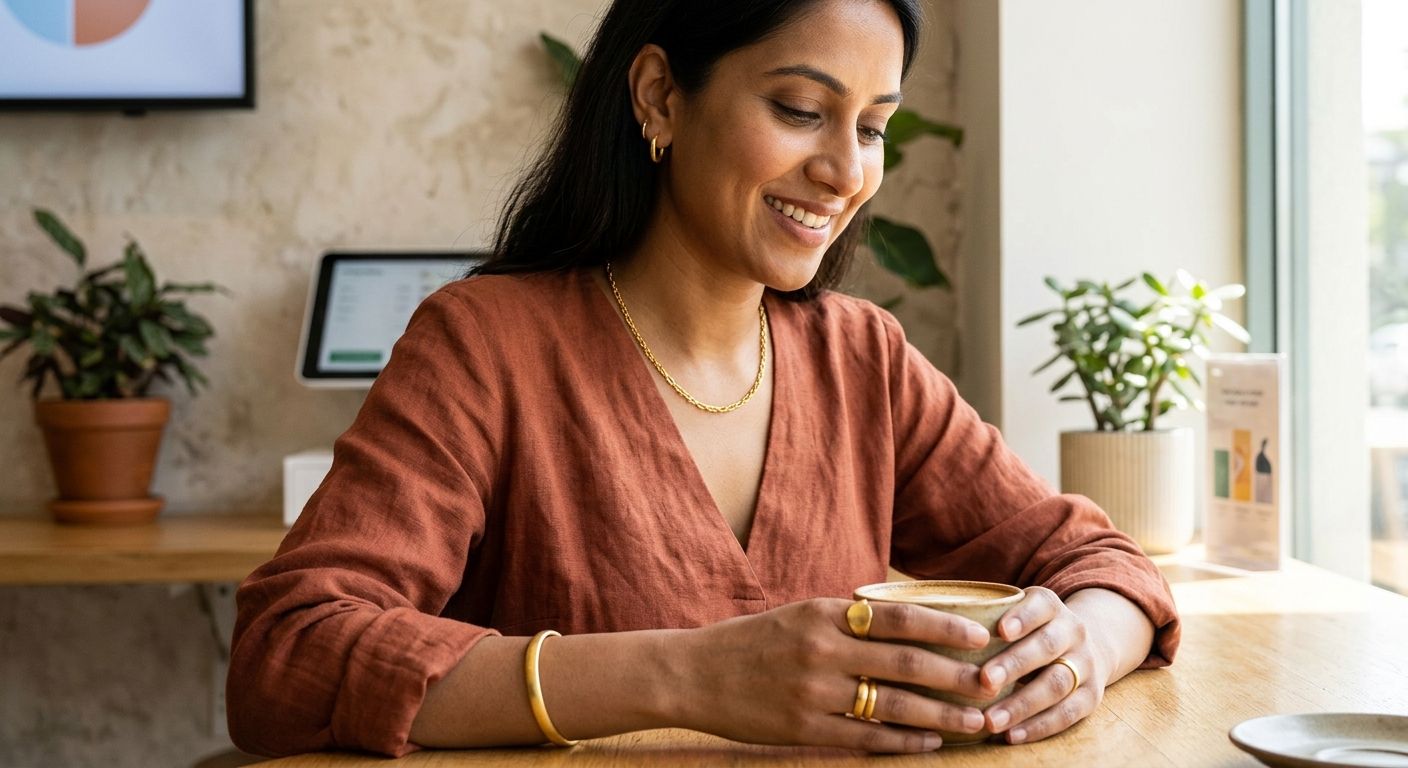
22K gold jewellery holds up to daily wear only in specific designs — thick bangles, plain rings, sturdy chains — because 91.6% gold purity leaves just 8.4% alloy to fight off scratches, dents, and bending under everyday friction. Delicate mesh chains, filigree work, and stone-set 22K pieces lose shape faster under daily handling than the same designs made in 18K gold. The verdict for 2026: 22K gold is good for daily wear if you stick to simple, low-detail designs and get it re-polished every year or so — it's the weaker choice for rings and bangles with intricate stonework or thin settings.
- 22K gold (91.6% purity) scratches and dents more than 18K (75%) or 14K (58.5%) under daily wear.
- Auram Jewellery recommends thick, plain 22K designs for daily use and 18K for stone-set or intricate pieces.
- BIS hallmarked 916 gold guarantees purity, not durability — alloy content decides how a piece survives daily wear in 2026.
- Filigree, mesh chains, and thin bangles in 22K lose their shape faster than solid, low-detail designs.
Why this matters
The purity that makes 22K gold desirable for its color and resale value is the same purity that makes it soft. Gold in its pure form (24K) is too malleable to hold a shape at all, which is why every karat below 24 mixes in metals like copper, silver, or zinc for strength.
22K keeps 8.4% of that hardening alloy. 18K keeps 25%. That difference shows up the moment a ring knocks against a countertop or a bangle brushes against a car door, hundreds of times a week, every week of 2026.
This isn't a purity problem — a BIS hallmarked 916 piece is exactly as pure as the hallmark says. It's a wear-pattern problem, and it decides which designs from Auram Jewellery you should actually wear daily versus save for occasions.
Is 22K gold good for daily wear?
Yes, for the right design — no, for anything delicate or heavily set with stones. Here's how the three common karats compare for daily handling:
| Karat | Purity | Alloy content | Daily-wear durability | Best for |
|---|---|---|---|---|
| 22K | 91.6% | 8.4% | Low — dents and scratches easily | Thick bangles, plain rings, occasional wear |
| 18K | 75% | 25% | High — holds shape and polish longer | Rings, chains, and pieces worn every day |
| 14K | 58.5% | 41.5% | Highest — most scratch-resistant | Everyday fashion jewellery, gym-friendly pieces |
The pattern is simple: more alloy, more resistance to daily damage; more gold purity, more softness. Neither extreme is wrong — the right pick depends on how often the piece leaves your jewellery box in 2026.
22K gold: 91.6% purity
22K gold is the standard for bridal sets and ceremonial pieces across India, and it's what most BIS 916 hallmarked jewellery refers to. At 91.6% purity, it has the warmest, most traditional gold color and the highest resale value against melt weight.
The tradeoff shows up fast on thin or detailed pieces. A 22K filigree choker or a mesh chain worn daily will show visible wear within months, while a solid, thick 22K bangle can go years between repolishing.
Verdict: buy 22K for special-occasion and bridal pieces, or for thick, simple daily-wear designs — skip it for delicate, everyday-handled jewellery.
18K gold: 75% purity
18K gold trades some purity for a meaningful jump in hardness — 25% alloy content versus 8.4% in 22K. Rings, engagement pieces, and diamond settings are commonly made in 18K specifically because prongs and claws need to hold their grip under daily knocks.
The color runs slightly less warm than 22K, which some buyers notice and some prefer for a more contemporary look. For anyone who wears one or two pieces every single day, 18K is the more forgiving choice.
Verdict: buy 18K for daily rings, stone settings, and diamond jewellery you don't want to take off.
14K gold: 58.5% purity
14K sits at the durable end of common gold karats, with 41.5% alloy content. It resists scratches and bending the best of the three, which is why it shows up in gym jewellery, watch cases, and Western fine-jewellery lines more than in Indian bridal collections.
The visible gold color is noticeably paler than 22K, and resale value against gold rate runs lower since less of the piece is actual gold. For a daily-wear-first buyer who doesn't mind the lighter tone, it's a practical option.
Verdict: buy 14K if durability and low maintenance matter more to you than a deep gold tone.
Why 22K gold wear varies
Not every 22K piece wears the same way. These factors decide whether a specific 22K design will hold up or need frequent repair in 2026:
- Alloy composition — 8.4% alloy is a fixed ratio, but the specific metals used affect stiffness slightly.
- Design complexity — filigree, mesh, and openwork designs have less structural gold per gram than solid pieces.
- Stone settings — claws and prongs holding diamonds or gemstones loosen faster in soft 22K gold than in 18K.
- Lifestyle exposure — chlorinated pools, gym equipment, and kitchen work accelerate scratching on any karat, but show up first on 22K.
- Maintenance habits — pieces re-polished by a jeweller every year or two hold their finish far longer than ones left untouched.
- Craftsmanship and finishing — how tightly a karigar sets stones and closes clasps affects how much daily stress a joint can absorb before it opens.
For buyers set on 22K for daily wear, lightweight gold jewellery for daily wear built with thicker gauge metal and minimal open-work handles daily handling far better than an ornate 22K piece of the same weight.
Does 22K gold bend easily?
Yes, 22K gold bends more easily than 18K or 14K because its 91.6% purity leaves only 8.4% alloy to resist deformation. Thin rings and bangle edges are the most common spots to show bending after months of daily wear, while thick, solid pieces resist it much longer.
Is 22K gold jewellery good for rings you wear every day?
22K gold rings work for daily wear only in plain, thick-band designs — anything with claws, prongs, or fine stone settings loosens faster in 22K than in 18K. A solid 22K band without raised stonework can go years between resizing or repair.
Can you wear 22K gold jewellery in the gym or while swimming?
22K gold jewellery is not the best choice for gym sessions or swimming because chlorine, sweat, and repeated impact accelerate scratching on any soft-alloy gold. Removing rings and bangles before workouts or pool time extends the life of 22K pieces significantly.
Ask before you buy for daily wear
Check design and karat fit with Auram Jewellery before committing.
Buying decisions get easier once purity is verified upfront. The BIS hallmarking verification guide walks through checking the 916 mark on any piece before it leaves the counter, which matters just as much for a 22K daily-wear bangle as it does for a bridal set.
Auram Jewellery works in hallmarked 916 gold and lower-karat blends depending on the piece, so a design meant for daily wear can be built with the alloy ratio that actually fits how often it gets worn.
FAQ
Is 22K gold good for daily wear?
22K gold works for daily wear only in thick, plain designs since 91.6% purity leaves just 8.4% alloy to resist scratches and dents. Filigree, mesh, and stone-set 22K pieces wear out faster under daily handling.
Is 18K or 22K gold better for daily wear?
18K gold is better for daily wear because its 25% alloy content resists scratching and bending more than 22K's 8.4%. 22K still wins on color and resale value against gold rate.
Does 22K gold turn color over time?
22K gold does not tarnish since it is 91.6% pure gold, but its surface can dull with scratches and daily grime. A yearly polish at a jeweller restores the original shine.
What does BIS 916 hallmark mean?
A BIS 916 hallmark confirms the piece is 91.6% pure gold, which is the standard purity for 22K gold in India. It certifies purity only, not the piece's resistance to daily wear.
Can 22K gold rings be resized easily?
Yes, 22K gold rings resize easily because the metal is soft and workable, which is also why they scratch and bend more than harder karats. A karigar can adjust a 22K band without much difficulty.
Is 14K gold too light in color for Indian jewellery?
14K gold has a noticeably paler tone than 22K since it holds only 58.5% purity, which some buyers find less traditional for Indian designs. It remains a durable pick for daily-wear fashion pieces.
How often should 22K gold jewellery be polished?
22K gold jewellery worn daily benefits from professional polishing roughly once a year to restore surface shine and check stone settings. Pieces worn occasionally need it far less often.
One last thing
Most buyers assume karat choice is only about color or budget, but the real split in 2026 is between occasion jewellery and daily jewellery — and increasingly, jewellers stock separate 18K daily-wear lines specifically because 22K pieces come back for repair more often. If a piece is going in a locker for weddings and festivals, 22K is the right call. If it's leaving the house every single day, ask about the 18K version of the same design before you buy.