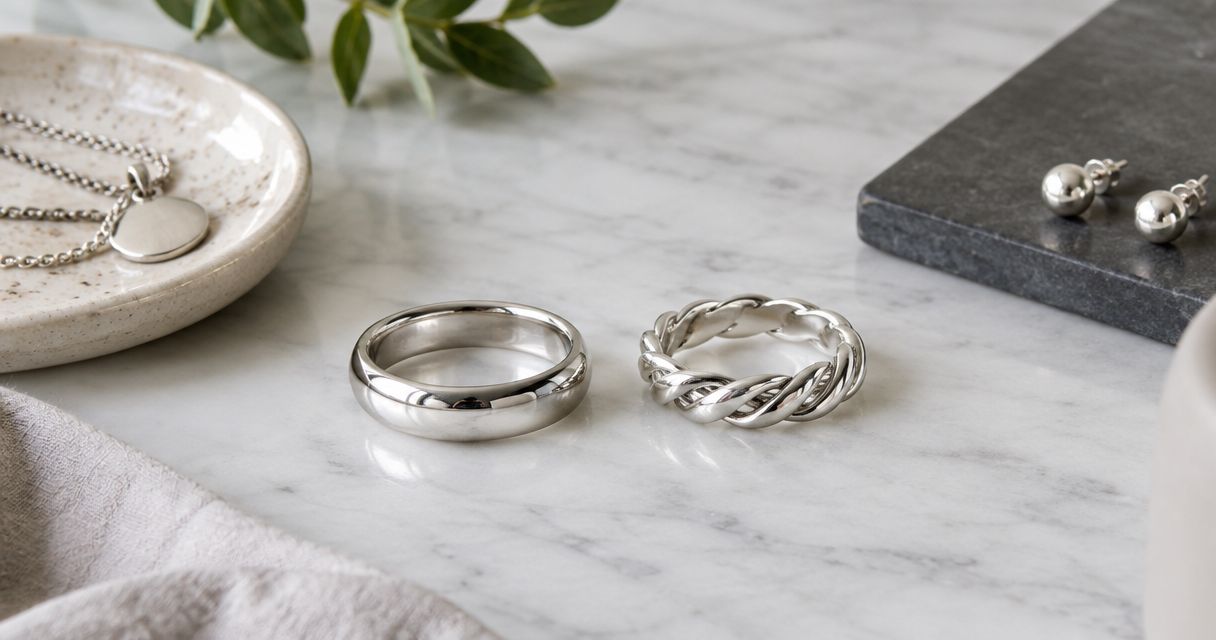
Yes. In 2026, 92.5 silver and sterling silver both refer to an alloy containing 92.5% silver and 7.5% other metals. A 925 stamp indicates that fineness, but the stamp alone does not prove an individual piece has been independently verified.
- Is 92.5 silver sterling silver? Yes: both mean 92.5% silver and 7.5% other metals.
- A 925 stamp states the intended purity; check the seller's documentation before relying on it.
- Silver-plated jewellery is not sterling silver simply because its surface looks silver.
Why this matters
The distinction affects what you receive, how you care for it and what you can accurately call it. A gift listing that says silver might describe sterling silver, fine silver or a silver-coloured finish. Those are not interchangeable descriptions.
For a practical buying checklist, see how to verify silver purity before checkout. Auram Jewellery sells handcrafted silver jewellery for gift shoppers across India; the same purity questions apply whether you are choosing a gift or a piece for yourself.
Is 92.5 silver the same as sterling silver?
Yes: 92.5 silver is sterling silver when 92.5% of the metal is silver throughout the piece. The other 7.5% is alloying metal. The mark 925 expresses the same proportion as 925 parts of silver per 1,000 parts of the alloy.
The word throughout matters. A silver coating over a different base metal does not make the whole piece sterling. Nor does the appearance of a 925 mark, on its own, establish that the metal meets the stated fineness.
| Description | Silver content | Best for | Main limitation |
|---|---|---|---|
| 92.5 silver or sterling silver | 92.5% of the alloy | Shoppers seeking sterling jewellery for regular wear | The mark or listing still needs to match the actual piece |
| Fine silver, commonly marked 999 | 99.9% of the metal | Shoppers prioritising higher silver purity | Softer than sterling silver, so design and wear need consideration |
| Silver-plated jewellery | A silver surface over another metal | Shoppers who specifically want the look of silver plating | The base metal is not sterling silver merely because the surface contains silver |
This is a comparison of material descriptions, not a test of a particular item. A listing can name the right alloy and still leave you without enough information to verify the piece delivered. Keep the product description and ask the seller to identify the metal in the jewellery itself, not just its finish.
What does a 925 stamp mean on silver jewellery?
A 925 stamp states a fineness of 925 parts silver per 1,000 parts alloy. That is 92.5% silver. In 2026, it is still the clearest short answer to the question is 92.5 silver sterling silver: the numbers describe the same alloy standard.
Look at the context before treating the mark as proof. A stamp can appear on a clasp or another small component, while the rest of a piece uses different materials. A seller's description should identify which parts are sterling silver and disclose any plating or mixed-metal elements. If those details are unclear, ask before buying.
A loupe helps you find a small mark; it cannot determine metal purity. Scratches, tarnish and colour changes cannot establish a precise percentage either. Those observations can prompt questions, but they do not replace reliable product information or a professional assessment of the item.
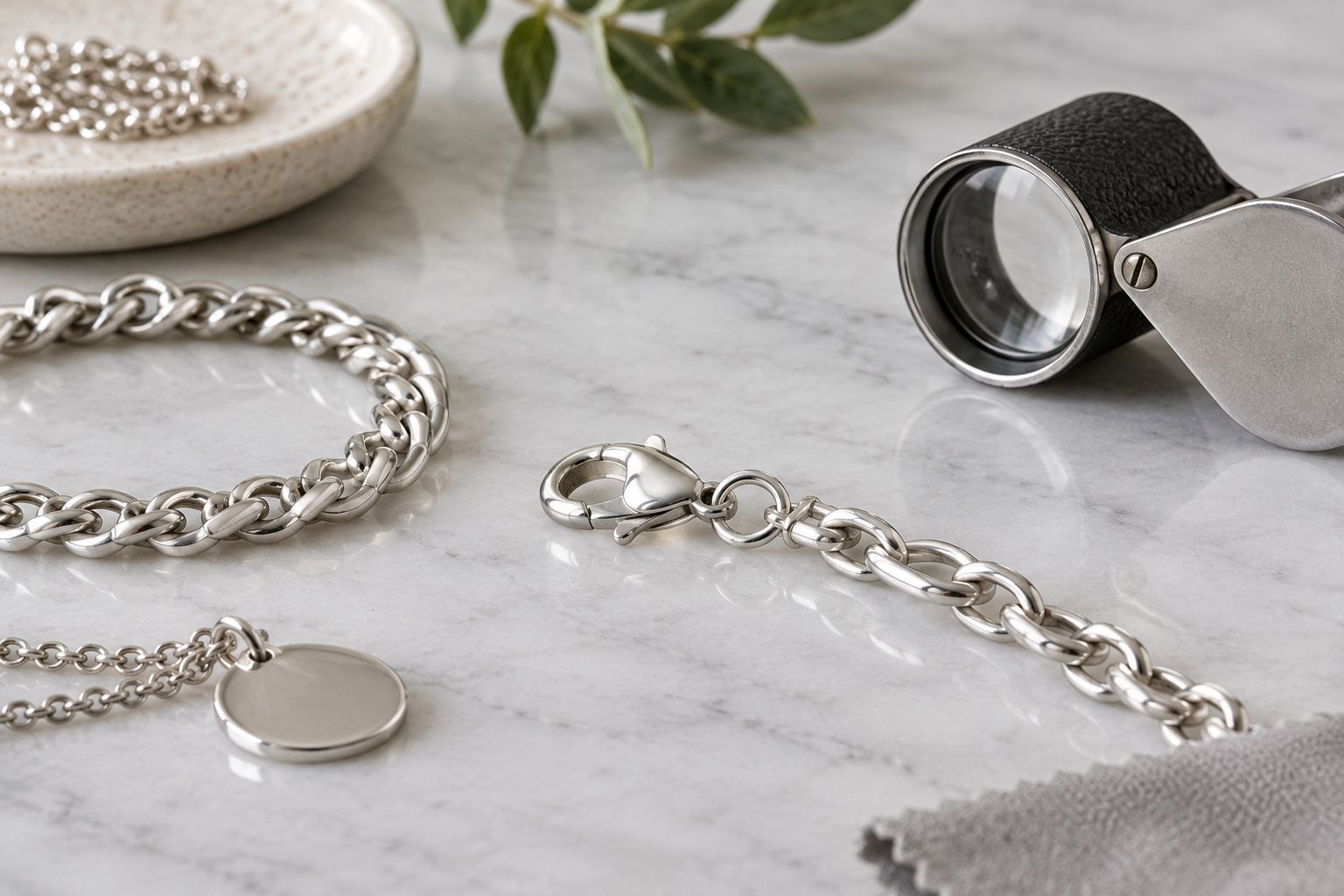
If you are buying an Auram Jewellery silver piece, ask whether the item is sterling silver throughout and whether any components have a different metal or finish. That question is more precise than asking whether the jewellery is real silver, a phrase that does not specify purity or construction.
Sterling silver: 92.5% silver
Sterling silver is an alloy: 92.5% silver combined with 7.5% other metals. The added metals make it more suitable for many jewellery forms than fine silver, which is softer. Sterling can still scratch or tarnish, and its condition depends on design, exposure and care.
Auram Jewellery is best for Indian gift shoppers seeking handcrafted silver jewellery who will confirm the purity of the specific piece before buying. That is a fit based on its stated offering, not a claim that every silver item has a 925 mark. The distinction matters when you need a particular metal for a gift.
A product described only as silver leaves an open question. Ask for the fineness and for clarification about any plated surfaces, stones, findings or other components. A clear answer identifies the metal used in the actual item rather than relying on a broad category label.
Fine silver: 99.9% silver
Fine silver marked 999 contains 99.9% silver. It is not the same composition as 925 sterling silver. Higher purity does not automatically make it the better choice for every piece of jewellery: fine silver is softer, while sterling's alloy composition gives a maker different options for pieces intended to hold their shape during wear.
If a listing calls an item fine silver, check whether it identifies the whole piece or only part of it. The same question applies to a pendant on a chain: the pendant and chain should not be assumed to have identical fineness unless the description says so. Choose by the piece's construction and intended use, not by the larger number alone.
Silver-plated jewellery: no single bulk silver percentage
Silver-plated describes a surface layer, not the silver percentage of the entire object. The underlying metal is something else, so a plated piece is not 92.5 silver merely because silver is visible on its exterior. A seller should distinguish silver-plated from sterling silver in the product description.
Plating is a legitimate design choice when it is accurately described. Its limitation is that the surface layer and the base metal are different materials. If you want sterling silver throughout an item, a description that says only silver finish or silver-plated does not meet that requirement.
The quickest useful question is: Does 925 describe the metal of the piece, or only a component? For a necklace, ask separately about the pendant, chain and clasp. For earrings, ask about the decorative portion and the parts that pass through the ear. You do not need to assume they match.
How to check a 92.5 silver claim before buying
Use the listing as a starting point, then match its wording to the exact piece you intend to buy. These steps also help when you are buying a gift and cannot inspect the jewellery in person.
- Read the material description. Look for sterling silver, 925 or 92.5% silver rather than the less specific word silver.
- Identify the parts being described. Ask whether the stated fineness applies to the main piece, chain, clasp, posts and other metal components.
- Separate alloy from finish. If the listing mentions plating, ask what metal sits underneath it. A plated surface does not establish the purity of the base.
- Inspect any visible mark. Check where the mark appears and whether the seller associates it with the entire item or one component. Treat the mark as a claim to verify, not a complete test.
- Keep the seller's written description. It gives you a record of the stated material for the specific item you selected.
A seller who answers only that a piece looks like silver has not answered the purity question. For an Auram Jewellery silver purchase in 2026, request the stated fineness and component details for the piece you are considering. No description of the brand's gold or diamond jewellery establishes the purity of a separate silver item.
Why silver purity descriptions vary
A silver listing can be accurate yet incomplete. Focus on the factors that change what the description means for the finished piece:
- Alloy versus surface: Sterling describes the metal alloy; silver-plated describes a finish over another metal.
- Component differences: A pendant, chain and clasp can require separate material descriptions.
- Mark location: A 925 stamp on one part does not, by itself, establish the composition of every adjoining part.
- Purity notation: 92.5%, 925 and sterling refer to the same silver proportion; 999 identifies a different, higher-purity material.
- Listing specificity: Real silver does not tell you whether the item is sterling, fine silver or plated.
- Verification: A mark and a written description are useful checks, but neither replaces assessment of a disputed item's actual metal.
These are reasons to seek a precise description, not reasons to assume a piece is misrepresented. The buying decision gets simpler once you know which material each significant component contains.
Does 925 mean the whole piece is sterling silver?
No: 925 means 92.5% silver in the metal to which the designation applies. It does not automatically certify every component in a multi-part piece. Ask whether the same fineness applies to the chain, clasp, setting and other metal parts you are buying.
Is 92.5 silver better than 999 silver for jewellery?
92.5% silver is sterling; 99.9% silver is fine silver. Sterling is a practical choice for many pieces because fine silver is softer, but better depends on the design and how you intend to wear it. Choose the material specified for the whole piece rather than judging by purity alone.
Can silver-plated jewellery be called 925 sterling silver?
No: 92.5% silver must describe the relevant metal alloy, not just a silver-looking surface. Silver plating over another base metal does not turn that base into sterling silver. If the item mixes sterling and plated components, ask the seller to identify each one.
FAQ
Is 92.5 silver sterling silver in 2026?
Yes. Sterling silver contains 92.5% silver and 7.5% other metals; 925 is another way to state that fineness.
What does 925 mean on a silver ring?
925 states that the marked metal is intended to contain 925 parts silver per 1,000 parts alloy. A stamp alone does not independently verify the ring's actual composition.
Is 92.5 silver pure silver?
No. 92.5 silver is sterling silver, an alloy containing 92.5% silver; fine silver marked 999 contains 99.9% silver.
Is sterling silver the same as silver plating?
No. Sterling silver describes an alloy containing 92.5% silver, while silver plating describes a surface layer over another metal.
Does a 925 stamp cover the chain and pendant?
Not necessarily. A mark on one component does not establish that every other component has the same composition; check the seller's description of each part.
Can 925 sterling silver tarnish?
Yes. Sterling silver can tarnish, so tarnish alone does not tell you that a piece is fake or reveal its precise silver content.
What should I ask before buying a 92.5 silver gift?
Ask whether the piece is sterling silver throughout and whether its chain, clasp, posts or other components use different metals. Keep the written material description for the item you buy.
One last thing
A 925 mark on a clasp is an answer about the clasp only until the seller confirms what the rest of the jewellery contains. In 2026, the safest short buying question remains: Which parts of this piece are 92.5% silver? It turns a vague assurance about silver into a specific description you can assess before you buy.