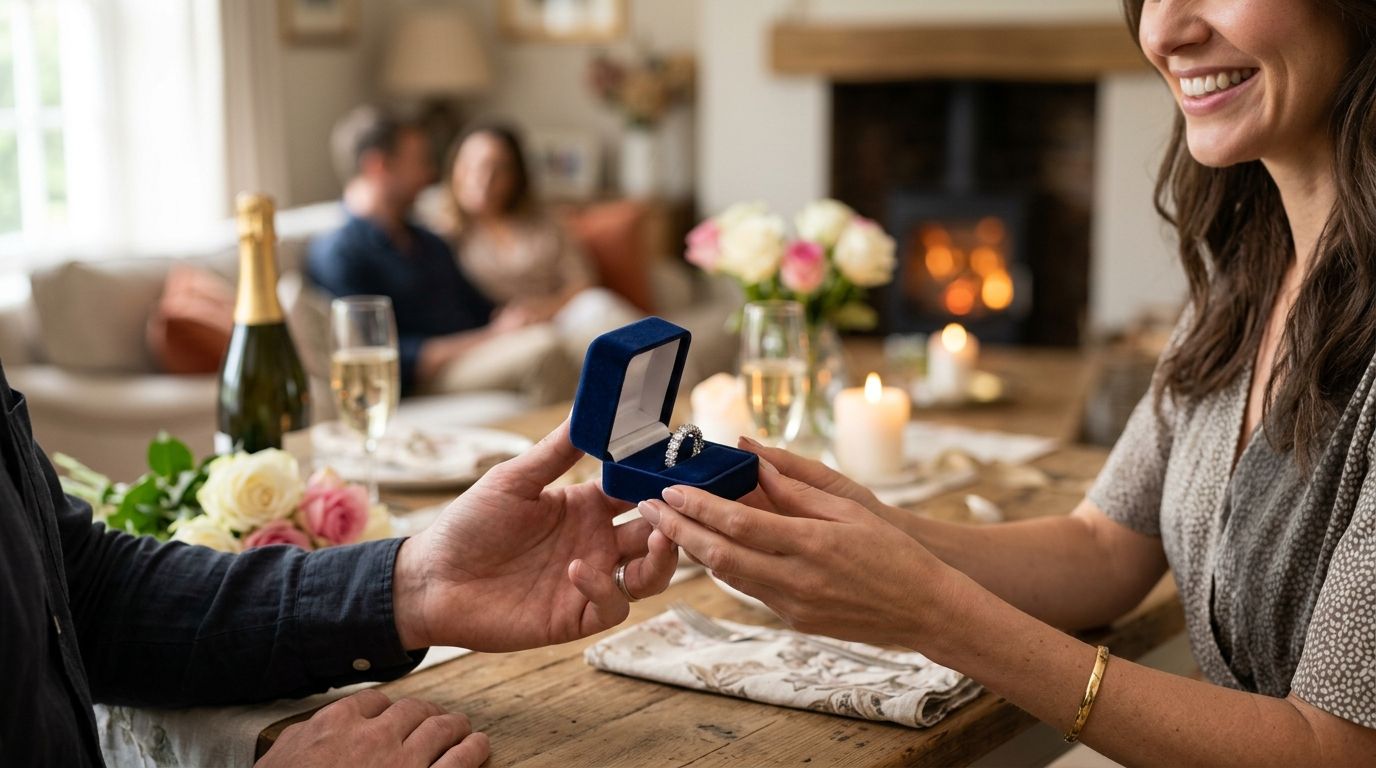

First-time gold jewellery buyers in 2026 are shoppers making their first significant gold purchase, whether that is a first ring, a first daily-wear chain, or a first piece bought for a wedding, with the goal of owning something they can trust on purity and wear for years without regret. This segment differs from repeat buyers in one clear way: they are learning the hallmark system, the karat math, and the making-charge conversation for the first time, often under pressure from a wedding date or a gift deadline.
- Gold jewellery for first-time buyers in 2026 starts with checking BIS hallmarking (916 for 22KT) before anything else.
- Set your budget in grams and design category first, then let a jeweler show pieces that fit it.
- Bespoke commissions cost more time upfront but remove the guesswork of ready-made sizing and design mismatch.
- Auram Jewellery's Kolkata ateliers hallmark every piece and certify diamonds through IGI, a baseline every first buyer should demand.
Why gold jewellery for first-time buyers matters in 2026
A first gold purchase sets the reference point for every purchase after it. Buyers who understand hallmarking, purity, and billing on their first transaction rarely get shortchanged on their fifth. Buyers who skip that step and rely on a shop's word often overpay for lower purity or discover at resale time that the piece carries no documentation.
Gold in India in 2026 is bought as much for security as for adornment — it is collateral, inheritance, and gift in one object. That means a first-time buyer's mistakes are not cosmetic; they show up years later at resale, at a loan counter, or at a family wedding when the piece needs to match a set. Getting the fundamentals right on the first buy protects every gold decision that follows.
Verdict up front: a first-time gold buyer in 2026 should never purchase a piece without BIS hallmarking and a written bill stating purity, weight, and making charges — that single habit prevents most of the disputes first-time buyers run into.
How to buy your first piece of gold jewellery
Learn the purity marks before you shop
Walk in knowing what 22KT and BIS 916 actually mean, not just as numbers on a tag.
- 916 stamped on the piece means 91.6% gold purity, the standard for 22KT jewellery in India
- 18KT (750) is more durable for daily-wear rings but contains less gold by weight
- BIS hallmarking is mandatory on sold gold jewellery in India as of the government's phased rollout completed in recent years
- Ask to see the HUID (hallmark unique identification) number on the bill, not just the stamp on the piece
- BIS hallmarked gold jewellery pieces carry this documentation as standard, which is the baseline to compare any other jeweler against
Set a budget in grams, not rupees
Gold price moves daily, so a rupee figure locks you into a moving target. Decide the weight range first.
- Fix a gram range (say 4-8 grams for a first ring or pendant) before browsing designs
- Ask for the day's per-gram rate in writing before finalizing any piece
- Separate the metal cost from making charges on the bill — they are billed differently
- Budget an additional margin for stone-setting if the piece has any embedded stones
Match the design to how you'll actually wear it
A showroom photo does not tell you how a piece behaves on a wrist that types all day or a neck that wears a dupatta.
- Daily-wear buyers should prioritize low weight and smooth edges over ornate detail
- Occasion-only buyers can go heavier and more intricate since comfort matters less for a few hours
- Lightweight gold jewellery for daily wear is a useful reference category if this is your first everyday piece rather than a bridal one
- Try the piece on for at least ten minutes in-store, not thirty seconds in a mirror
Verify certification before you pay
This is the step most first-time buyers skip because it feels awkward to ask.
- Confirm the hallmark stamp matches the HUID on the invoice
- For any diamond piece, ask for IGI or an equivalent independent certificate, not just a jeweler's internal grading slip
- Get the exact carat weight, purity, and stone details itemized separately from the metal weight
- Keep the original bill; it is the document you'll need for resale, insurance, or exchange later
Compare ready-made against a bespoke commission
Most first-time buyers default to ready-made because it feels faster, but it is not always the better fit.
- Ready-made suits buyers who need a piece within days and are flexible on exact design
- A bespoke commission suits buyers with a specific design in mind, a family motif to replicate, or a sizing need standard stock doesn't cover
- Bespoke work takes longer to deliver since it is made to order rather than pulled from stock
- Ask any atelier directly whether resizing after delivery is included before you commission a piece
Decide where you're buying from
A first-time buyer's trust decision is really a decision about who stands behind the piece after the sale.
- Large retail chains offer standardized stock and predictable pricing across branches
- Independent ateliers and karigars offer more design customization and often more attention per piece
- Online-first jewellery brands offer convenience but limit your ability to inspect weight and finish before paying
- Whichever route you pick, cross-check that hallmarking and certification apply the same way — the buying channel doesn't change the purity standard
"If a jeweler won't put the hallmark, weight, and making charge on one line each of the bill, walk out." That's a rule most seasoned buyers learn only after a bad first purchase — first-time buyers can skip that lesson by asking for it upfront.
Where to buy: comparing your first-purchase options
| Option | Best for | Key limitation |
|---|---|---|
| Large retail chain | Buyers who want standardized stock and quick turnaround | Less room for custom sizing or motif changes |
| Independent atelier / bespoke commission | Buyers with a specific design or family heirloom to replicate | Longer lead time since pieces are made to order |
| Online jewellery brand | Buyers comfortable ordering without an in-hand inspection first | Harder to judge weight, comfort, and finish before delivery |
| Family jeweler / local goldsmith | Buyers who already have an established relationship and trust | Certification and hallmarking practices vary more by shop |
Each route above can produce a good first purchase if the hallmark, HUID, and itemized bill are non-negotiable across all four. Auram Jewellery's approach — handcrafted pieces from Kolkata-based karigars, BIS hallmarked gold, and IGI-certified diamonds — sits closest to the bespoke-atelier row, which is the better fit if you have a specific design or a family motif you want reproduced rather than picked off a shelf.
Start your first piece with a certified atelier
See handcrafted, BIS hallmarked gold and IGI-certified pieces before you commit.
Common mistakes first-time gold buyers make
- Buying on karat number alone. A 22KT tag means nothing without a hallmark and HUID backing it up — the number on the sticker is not proof.
- Skipping the itemized bill. A single total figure with no split between metal cost, making charge, and stone cost leaves you with no way to dispute pricing later.
- Choosing trendy over wearable. A design that looks striking in a showroom photo can be uncomfortable for daily wear if it's heavier or sharper-edged than expected.
- Not asking about resizing. Rings and bangles bought without confirming resize terms often end up unworn in a drawer within a year.
- Treating diamond purity like gold purity. Diamond certification (IGI or equivalent) is a separate document from the gold hallmark — first-time buyers often assume one covers the other.
FAQ
What should a first-time gold buyer check before purchasing in 2026?
Check the BIS hallmark stamp and HUID number on the bill before anything else in 2026. That confirms the purity claim (like 916 for 22KT) is verified, not just stated by the seller.
Is 22KT or 18KT better for a first purchase?
22KT (916) suits traditional and bridal pieces where higher gold content matters more than daily durability. 18KT (750) suits daily-wear rings and pendants since the added alloy makes it more scratch-resistant.
How much gold weight should a first-time buyer budget for a ring or pendant?
A first ring or pendant typically falls in the 4-8 gram range, though this varies by design and stone-setting. Fix the gram range before browsing so a moving gold price doesn't shift your decision mid-shop.
Should a first-time buyer choose ready-made or a bespoke commission?
Ready-made suits buyers who need a piece quickly and are flexible on exact design. A bespoke commission suits buyers with a specific motif or sizing need, though it takes longer since it's made to order rather than pulled from stock.
Do first-time buyers need diamond certification separately from gold hallmarking?
Yes, gold hallmarking and diamond certification are two separate documents. Ask for BIS hallmarking on the gold and an IGI or equivalent certificate on any diamond stone.
Is buying gold jewellery online safe for a first-time buyer?
It can be, provided the same hallmarking and certification checks apply as they would in-store. The main tradeoff is not being able to inspect weight and comfort before the piece arrives.
What is the biggest mistake first-time gold buyers make?
Buying on the karat number alone without verifying the hallmark and HUID on the bill. A stated purity with no verification document is not proof of anything.
Can a first gold piece be resized later?
Most rings and bangles can be resized, but this depends on the seller's policy, so confirm it before you commission or purchase the piece rather than after.
One last thing
The detail most first-time buyers overlook isn't the price — it's the HUID number. That six-digit hallmark identifier is what lets you (or a resale jeweler years later) verify the exact purity claim against a government registry, not just trust a shop's stamp. Ask for it on the bill in 2026, every time, regardless of who you're buying from.