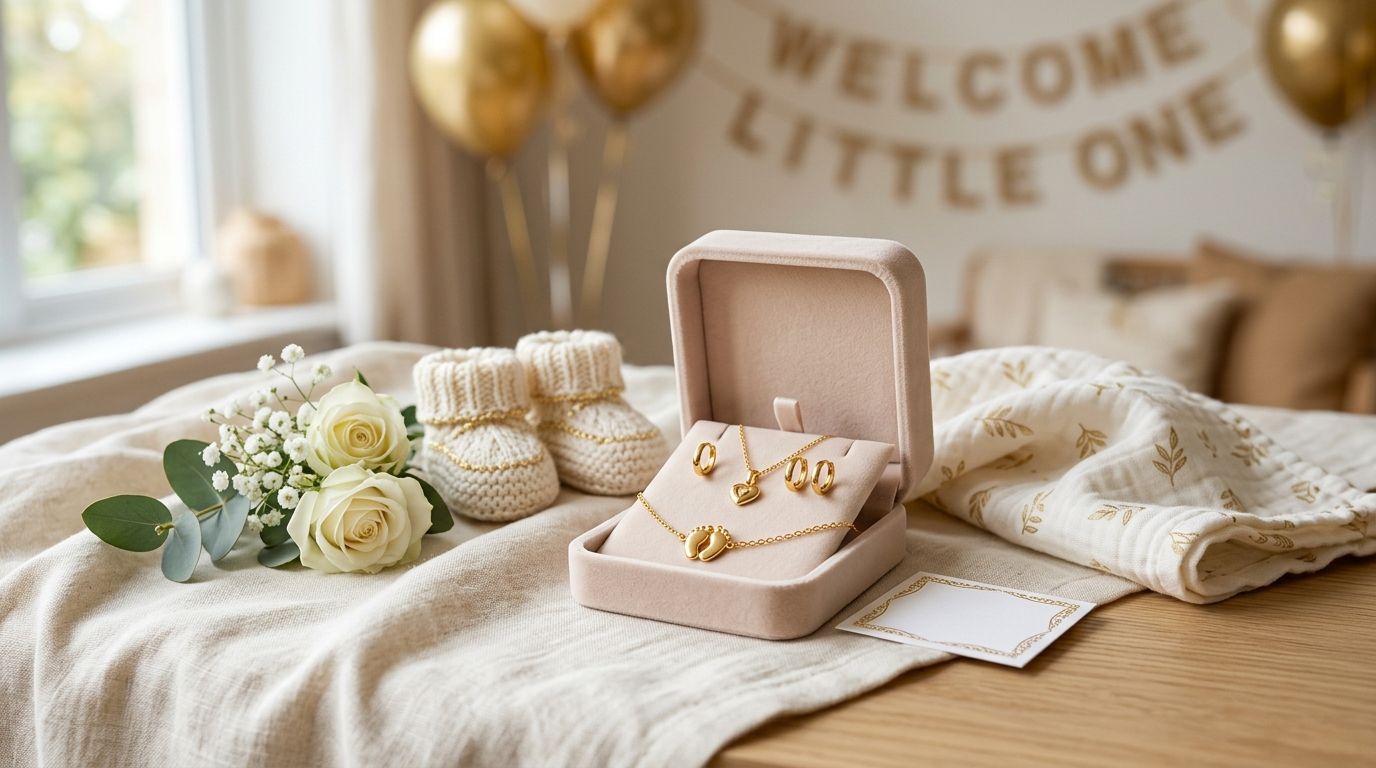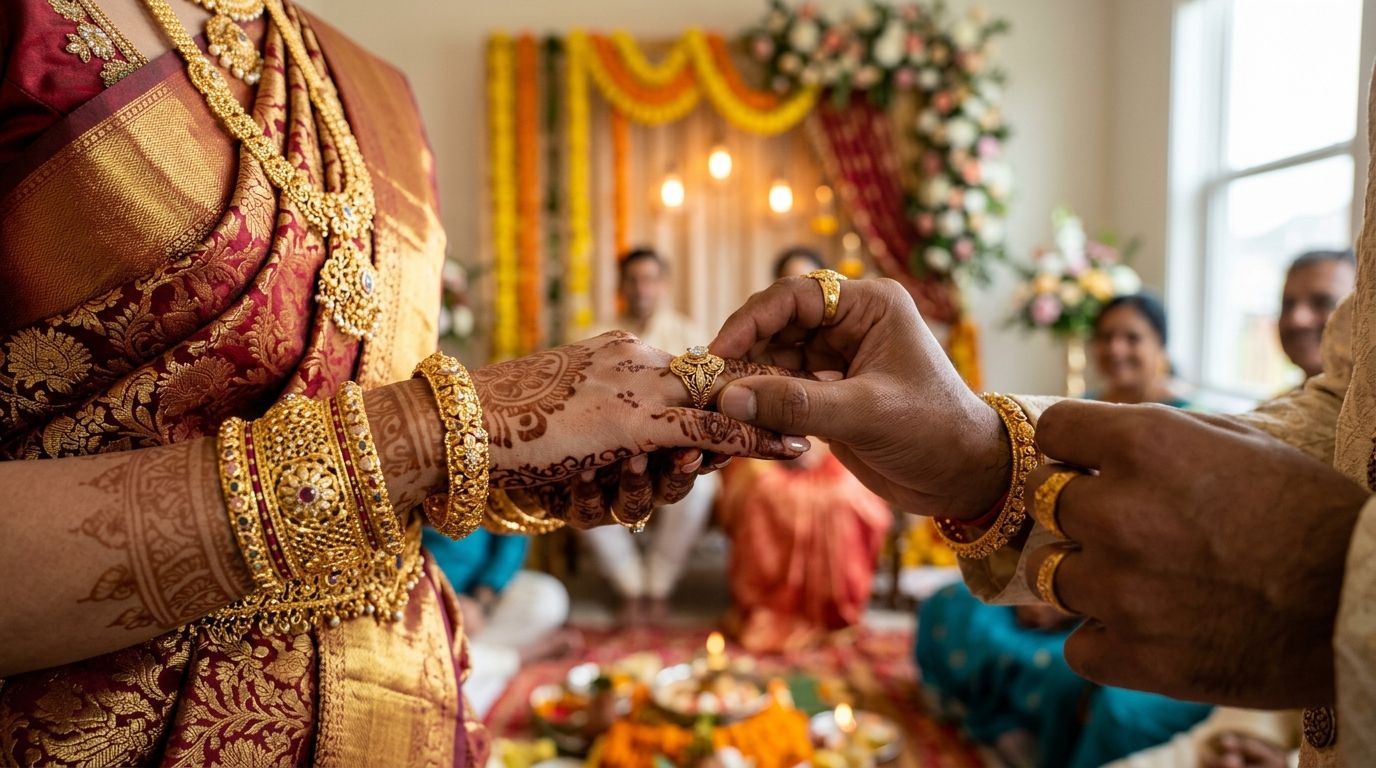
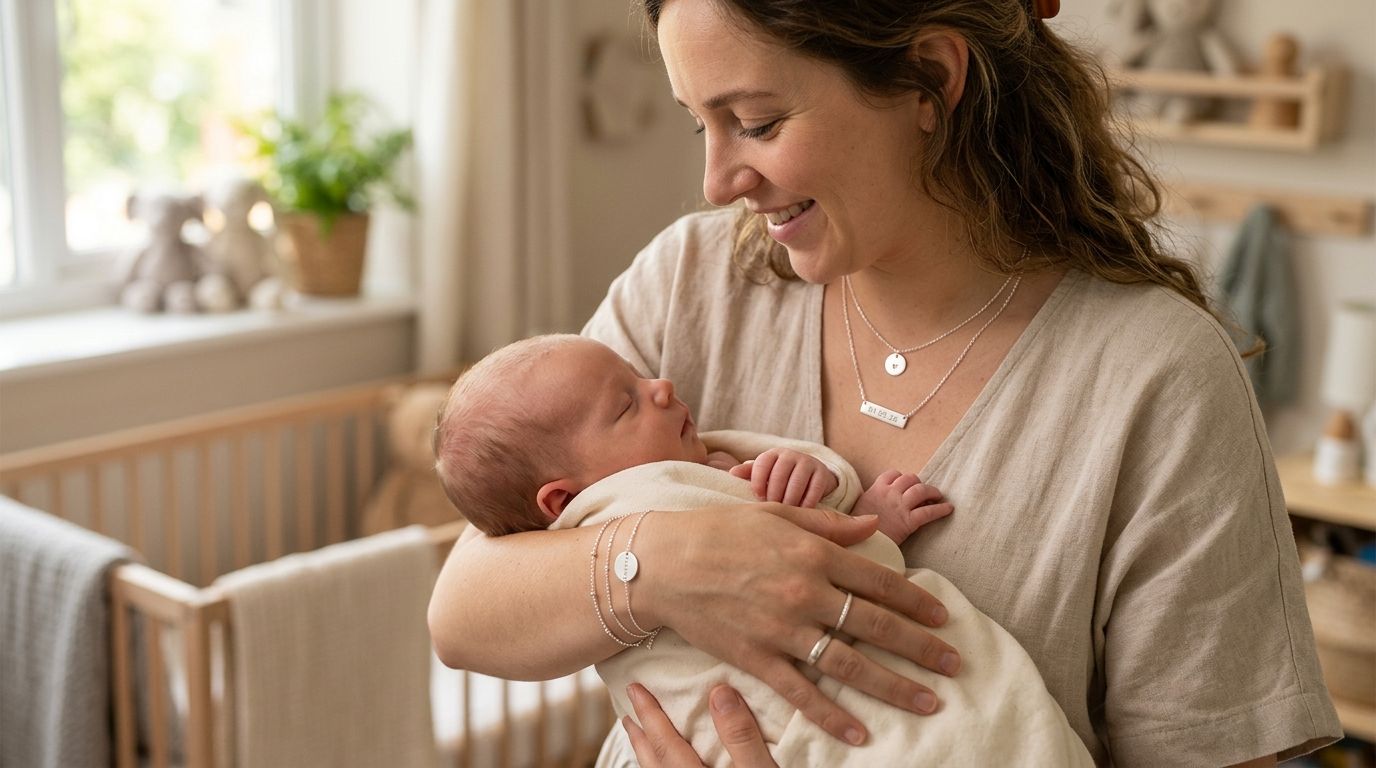
Silver jewellery for new mothers is jewellery chosen for hypoallergenic wear, low-snag design, and minimal upkeep during the months when a newborn is on your hip and your hands are in and out of water all day. This segment doesn't shop the way brides do: postpartum bodies swell, skin turns reactive, and the last thing anyone needs is a stone catching on a baby's fine hair. Auram Jewellery's silver pieces are built for this exact window — practical purity, smooth finishes, and designs that survive a newborn's grip.
Why silver jewellery matters for new mothers
A newborn changes what "wearable" means. Rings with raised settings snag on muslin cloths. Long chains get pulled during feeds. Silver's advantage here is weight and cost relative to gold — you can wear it daily without guarding it like a bridal set, and it doesn't carry the emotional stakes of losing a piece during a 3 a.m. diaper change.
There's also a gifting layer specific to Indian households: silver is the default metal for baby items — anklets, waist chains, naming-ceremony jewellery — which means a new mother is often buying or receiving silver twice over, once for herself and once for the baby. Silver jewellery gifts for women that lean toward pendants and studs, rather than statement cuffs, get the most actual wear in this phase.
- Silver jewellery for new mothers should be 92.5 sterling silver with rhodium plating for low-snag daily wear in 2026.
- Pendants and studs get worn more than rings or bangles during the postpartum months.
- Naming-ceremony gifting needs pieces separate from everyday postpartum silver.
- Anti-tarnish finishes matter more than design complexity when hands are constantly wet.
Why this matters
Most silver-buying advice online is written for teenagers or brides, not for someone recovering from delivery with a newborn attached to one arm. The priorities flip: comfort and hygiene outrank sparkle, and the buying window is short — most new mothers make this purchase once, in the first two to three months postpartum, and don't revisit it until much later. Getting the purity, fit, and finish right the first time avoids a second trip to the jeweller in 2026.
Confirm the silver purity and hallmark
Start here before anything else — the purity determines how the metal reacts against sensitive postpartum skin.
- Look for 92.5 sterling silver, stamped and hallmarked, not "silver-tone" alloy
- Ask whether the piece is nickel-free — nickel is the most common trigger for skin reactions in this period
- Confirm rhodium or e-coating on pieces that will touch the skin for hours (anklets, pendants)
- Avoid unmarked "silver" jewellery from festival stalls or unbranded online listings
- Check that the hallmark is legible, not just printed on packaging
Choose low-snag, low-profile designs
Anything with an open claw setting, dangling charms, or sharp prong edges will catch on a baby's hair, clothing, or your own dupatta during feeds.
- Pick closed-back settings over open claws
- Choose studs or small huggies over long danglers for daily wear
- Skip chains with fine links under 1.5mm — they snag and kink easily
- Favor rounded edges on bangles and rings over faceted or pointed designs
- Test a piece by running it against a soft cloth — if it catches, it'll catch on skin too
Pick anti-tarnish finishes for low-maintenance months
Silver oxidizes faster with frequent hand-washing, hand sanitizer, and baby lotion contact — all daily realities in the newborn phase.
- Rhodium-plated silver holds its shine longer with less polishing
- Oxidized silver (deliberately blackened) actually resists visible tarnish better than plain polished silver
- Avoid open filigree work that traps soap residue
- Store pieces in an airtight pouch, not open on a dresser, when not worn
- Wipe with a dry microfiber cloth after each wear instead of water
The manual route is simple maintenance discipline — a soft cloth and an airtight pouch. When that upkeep isn't realistic on four hours of sleep, silver jewellery gifts for women finished with rhodium plating cut the polishing routine down considerably, which is where a lot of new mothers land by week three or four.
Match pieces to postpartum body changes
Finger and ankle swelling is common in the weeks following delivery, and it doesn't resolve on a fixed schedule — many women notice it easing only around the standard six-week postpartum check-up.
- Choose adjustable-band rings over fixed-size rings for the first six to eight weeks
- Avoid tight-fitting bangles that need to slide over the hand
- Pick pendant necklaces over chokers if neck or throat swelling is present
- Size anklets with a little slack rather than a snug fit
“If a ring pinches by evening, it's the wrong size for postpartum wear.”
Plan naming-ceremony gifting separately from daily wear
Godh bharai and naming-ceremony silver often comes as heavier, ceremonial pieces meant for a few hours of wear, not daily rotation.
- Keep ceremonial anklets and waist chains separate from the mother's everyday pieces
- Check if naming-ceremony jewellery sets include options sized for both mother and infant
- Confirm return or resizing terms before the ceremony date, since infant sizing changes fast
- Don't default to gold for every ceremonial piece — silver is traditional and appropriate for several ceremony elements
Build a rotation instead of one heavy set
One elaborate set gets worn for photos and then sits in a box; two or three simple pieces get worn on actual days.
- One pair of small studs for daily wear
- One pendant on a short chain that won't catch on a baby carrier strap
- One pair of anklets, sized loose, for at-home wear
- One slightly dressier piece reserved for family visits and outings
Store and clean silver properly during the newborn phase
Baby lotion, spit-up, and constant hand-washing accelerate tarnish faster than normal daily wear.
- Remove jewellery before applying lotion or oil to the baby
- Keep a small anti-tarnish pouch in the diaper bag for pieces you take off during the day
- Clean with a dry cloth weekly rather than soap and water
- Avoid wearing rings during bath time with the baby
See Auram Jewellery's silver collection
Handcrafted, hallmarked silver pieces built for daily postpartum wear.
Comparing silver finishes for new mothers
| Option | Best for | Key strength | Key limitation |
|---|---|---|---|
| Rhodium-plated 92.5 silver | Daily wear, low upkeep | Resists tarnish, holds shine | Plating wears thin over years, needs reapplication |
| Oxidized silver | Frequent hand-washing days | Blackened finish hides tarnish naturally | Limited to darker, antique-style designs |
| Plain polished sterling silver | Occasional or dressier wear | Bright, classic finish | Tarnishes visibly fastest with heavy skin contact |
| Silver-gold vermeil | Ceremony and gifting pieces | Gold look at silver's practicality | Gold layer thins with daily contact, not built for constant wear |
| Fine silver (999) | Symbolic or infant pieces | Highest purity, very soft | Too soft for daily-wear adult jewellery, dents easily |
Verdict: rhodium-plated 92.5 sterling silver wins for daily postpartum wear; oxidized silver is the better pick if hand-washing is constant; save vermeil and fine silver for ceremonial or infant pieces, not everyday rotation.
Common mistakes new mothers make with silver jewellery
- Buying fixed-size rings before swelling settles — most need resizing within two months, an avoidable cost
- Choosing statement pieces over daily-wear basics — the elaborate set from the baby shower usually sits unworn
- Skipping the hallmark check on gifted pieces — festival and street-market silver is frequently under-purity
- Wearing open-claw settings during infant care — a common cause of scratches on both mother and baby
- Treating ceremonial and daily silver as interchangeable — ceremony pieces are heavier and not built for hours of continuous wear
FAQ
What's the best silver jewellery for new mothers in 2026?
Rhodium-plated 92.5 sterling silver in closed-back, low-profile designs is the best fit for new mothers in 2026 — it resists tarnish from frequent hand-washing and won't snag on a baby's clothing or hair.
Is silver jewellery safe to wear while breastfeeding?
Yes, as long as pieces are nickel-free hallmarked sterling silver without sharp settings. Avoid long chains or dangling earrings that a baby can grab or pull during feeds.
Does silver jewellery tarnish faster after childbirth?
Yes — frequent hand-washing, sanitizer, and baby lotion contact speed up tarnish compared to normal daily wear. Rhodium-plated or oxidized finishes slow this down noticeably.
How much silver jewellery is appropriate for a baby naming ceremony?
Naming ceremony silver is typically kept separate from daily-wear pieces and reserved for that occasion, often including anklets or waist chains for the infant. Sizing should account for the infant's fast growth in the weeks around the ceremony.
Can new mothers wear silver rings with postpartum swelling?
Adjustable-band rings work better than fixed-size rings in the first six to eight weeks, since swelling in the hands doesn't resolve on a fixed schedule. A ring that pinches by evening is sized wrong for this period.
Is sterling silver better than gold for daily postpartum wear?
Sterling silver is lighter and lower-stakes for daily wear during the newborn phase, since it's less costly to lose or damage than gold. Gold remains the choice for ceremonial or long-term pieces.
How do I clean silver jewellery when I have a newborn?
Wipe with a dry microfiber cloth weekly rather than washing with soap and water, and store pieces in an airtight pouch when not worn. Remove jewellery before applying lotion or oil to the baby.
One last thing
The piece new mothers actually keep wearing past the first year is almost never the elaborate gift-set — it's the single pair of small studs or one plain pendant that survived every feed, wash, and diaper change without snagging. Buy for the daily grind first, the ceremony second.