Yes, filigree jewellery can be durable enough for everyday wear in 2026, but only when its design suits your routine and its delicate sections are protected from knocks and snags. A pendant or pair of earrings faces different risks from a ring you wear while carrying bags, opening doors or working with your hands. Choose filigree by how the piece will be worn, not by how substantial it looks in a photograph.
- Is filigree jewellery durable? Yes for careful daily wear; exposed wirework is vulnerable to snags and bending.
- A filigree pendant or earrings are easier everyday choices than an exposed filigree ring.
- Auram Jewellery suits shoppers seeking a bespoke jewellery commission, but confirm whether filigree construction is available.
- Check attachment points, raised edges and the finished piece before committing to regular wear.
Is filigree jewellery durable for everyday wear?
Filigree durability depends on where the openwork sits, how it is supported and what it encounters during wear. A protected pattern on a pendant has less routine contact with hard surfaces than a pattern running across the top and sides of a ring. That distinction matters more than a broad promise that filigree is either durable or fragile.
| Jewellery choice | Best for | Everyday advantage | Everyday drawback | Verdict |
|---|---|---|---|---|
| Filigree pendant | Someone who wants visible detail without frequent hand contact | Usually stays away from the impacts hands encounter | Can catch on clothing or a chain if edges protrude | Choose if the design sits smoothly against clothing. |
| Filigree earrings | Someone who wants openwork for regular outings | Avoid the repeated surface contact a ring gets | Hair, scarves and removal can pull at exposed details | Choose if the edges and fastening feel secure. |
| Filigree ring | Someone prepared to remove jewellery for hands-on tasks | Keeps the pattern in view while worn | Hands meet handles, bags and work surfaces throughout the day | Choose with care; skip exposed wirework for rough use. |
| More enclosed design | Someone who prioritises easier daily handling | Fewer projecting sections to catch | Offers less of the open, airy appearance of filigree | Choose when convenience outranks intricate detail. |
These are comparisons of wear positions and construction, not ratings for a particular piece. In 2026, ask to inspect the actual design rather than treating a jewellery category as a durability guarantee. If you are deciding between decorative detail and a simpler daily piece, Auram Jewellery’s handcrafted jewellery gives you a starting point for that conversation; confirm the construction of any design you consider.
Why this matters
A piece can be comfortable all morning and still meet its hardest test when you change clothes, reach into a bag or take it off in a hurry. Filigree leaves parts of the design open, so the placement of those parts determines what can catch or bend. A shopper choosing jewellery for occasional events can accept a different level of care from someone who expects to put it on every morning.
The practical question for 2026 is not whether filigree survives normal wear in the abstract. It is whether this particular piece suits your particular day. An office routine, a commute and hands-on work expose jewellery to different types of contact; inspect the areas that will face yours.
Pendants and earrings: the easier everyday choice
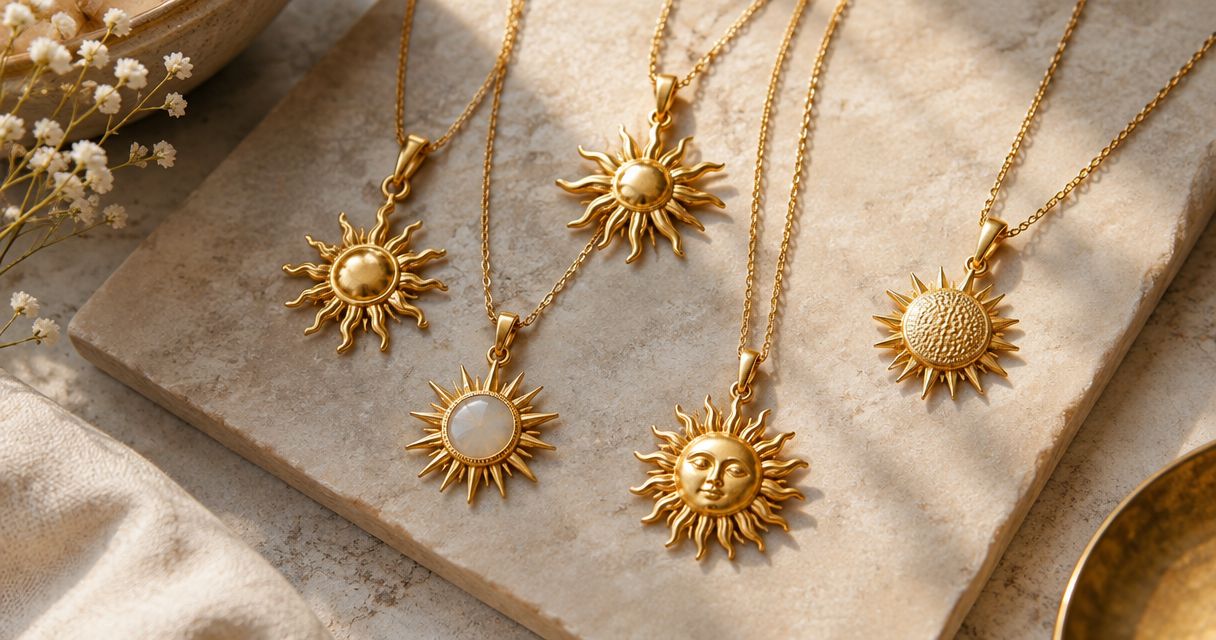
A pendant is a sensible place to start if you want filigree detail without putting it on your hands. Look at the outer edge, the point where the pendant meets its bail and the way the piece hangs. If a raised part repeatedly catches on a neckline, its position will matter every time you wear that outfit.
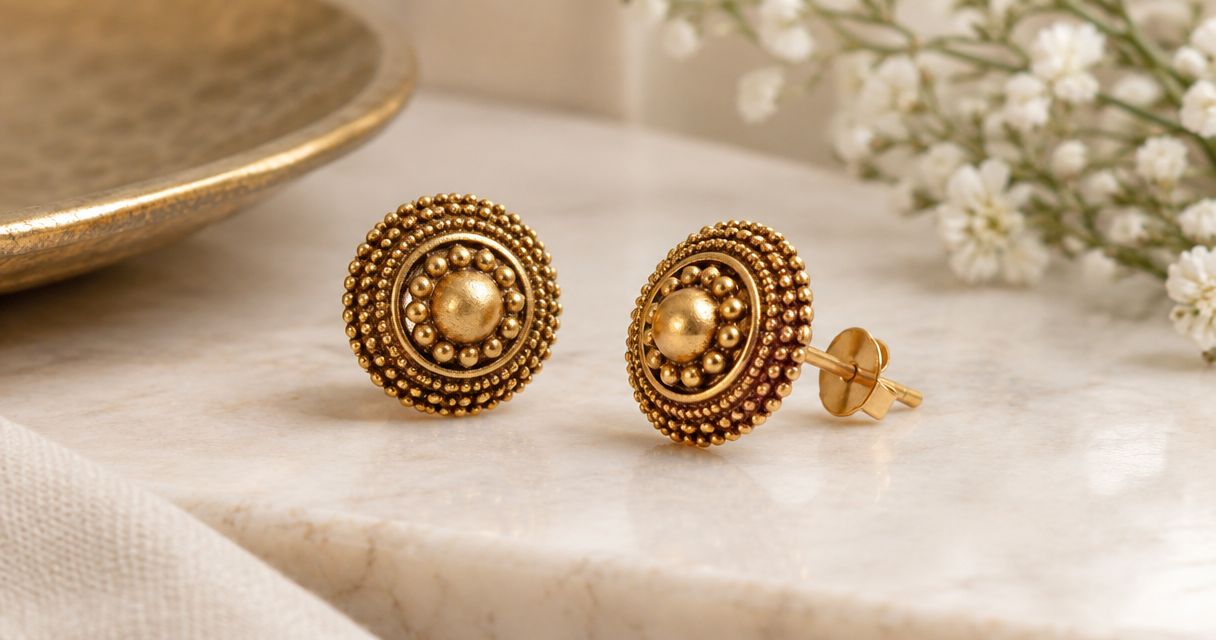
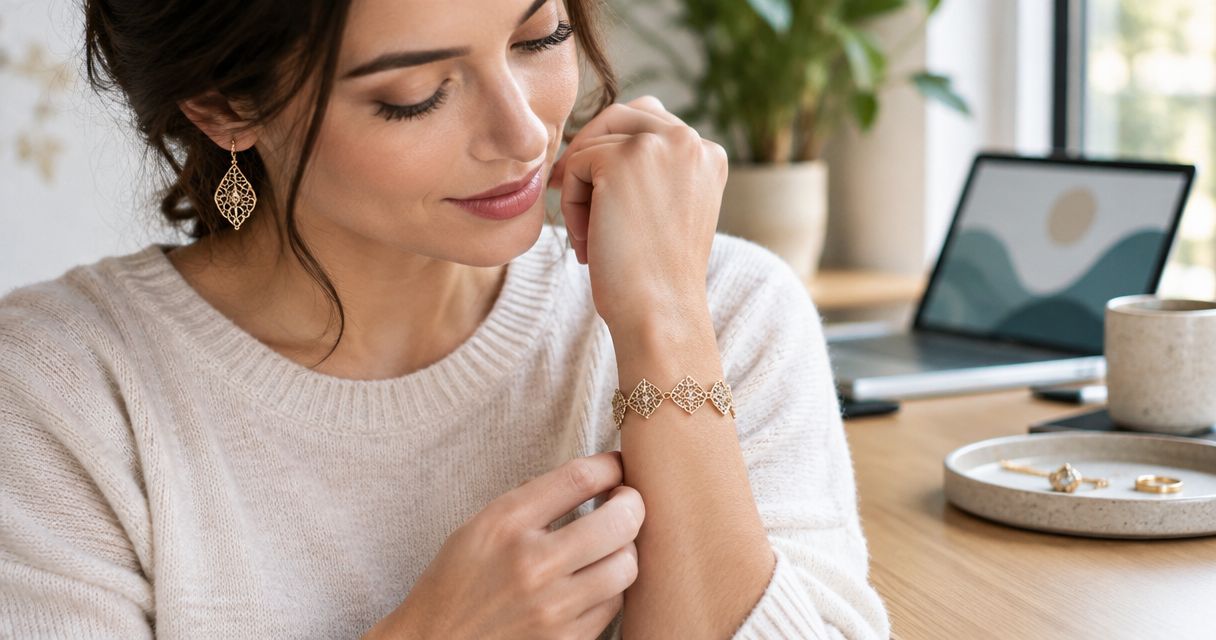
Earrings keep intricate metalwork away from desk surfaces and door handles, but they have their own contact points. Hair can wind through open sections, while scarves and clothing can catch during removal. Check the fastening and handle the earrings as you would when getting dressed; an attractive front view does not show how they behave in use.
Best for: a shopper who wants to wear decorative openwork regularly and will check for catches while dressing. The trade-off: less hand contact does not mean no snag risk. Before choosing either piece in 2026, examine it from the side as well as the front; projecting edges are easier to spot at an angle.
Rings and bangles: inspect the exposed areas
A ring puts filigree where daily contact is hardest to avoid. You grip a bag handle, turn a key and rest your hand on surfaces without planning each movement around the ring. If fine details sit high above the band or run along its sides, inspect them for places that can take a direct knock or catch a sleeve.
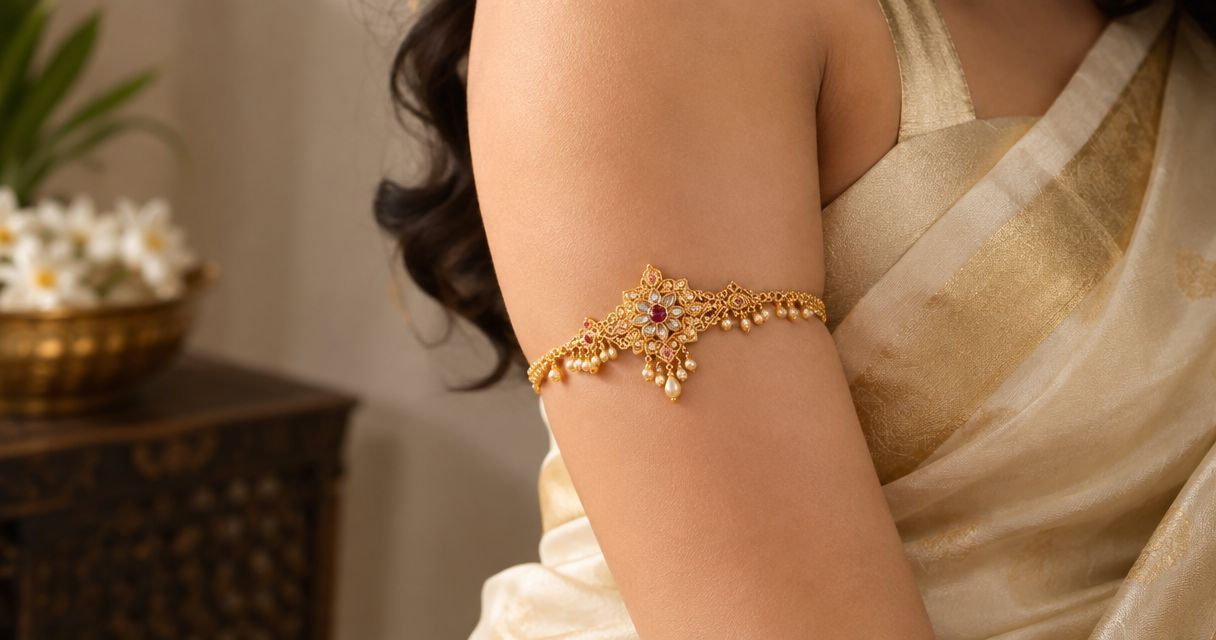
Bangles deserve the same close look. An open pattern on an outer edge encounters different contact from a pattern set within a smoother surrounding form. Check the inside and outside of the piece, then think about what it touches when you stack jewellery, carry a bag or work at a table.
Best for: someone willing to remove a filigree ring or bangle before hands-on tasks. The trade-off: a design that looks light and intricate can demand more attention than a simpler shape. For an everyday ring in 2026, choose protected detail over a projecting pattern if low-maintenance wear is your priority.
Why filigree durability varies
No material label or photograph settles the question on its own. Use these factors to judge the finished piece:
- Position of the detail. Metalwork on a ring’s exposed top or outer edge faces more direct contact than detail set within a surrounding form.
- Projection. Raised loops and pointed ends offer more opportunities for clothing or hair to catch than a smooth outline.
- Support. Look at where decorative sections join the rest of the piece. A design needs secure connections, not just an appealing pattern from the front.
- Wear location. Earrings, pendants, rings and bangles meet different objects during an ordinary day.
- Your routine. Frequent handling of tools, bags or clothing makes removal and careful storage more important.
- Condition. A loose section or new snag needs attention; continuing to wear the piece puts further strain on it.
Gold purity and structural durability answer different questions. Auram Jewellery sells BIS hallmarked gold jewellery, but a hallmark does not tell you whether an exposed filigree edge suits daily knocks. Treat purity verification and a physical inspection as separate checks when assessing a piece in 2026.
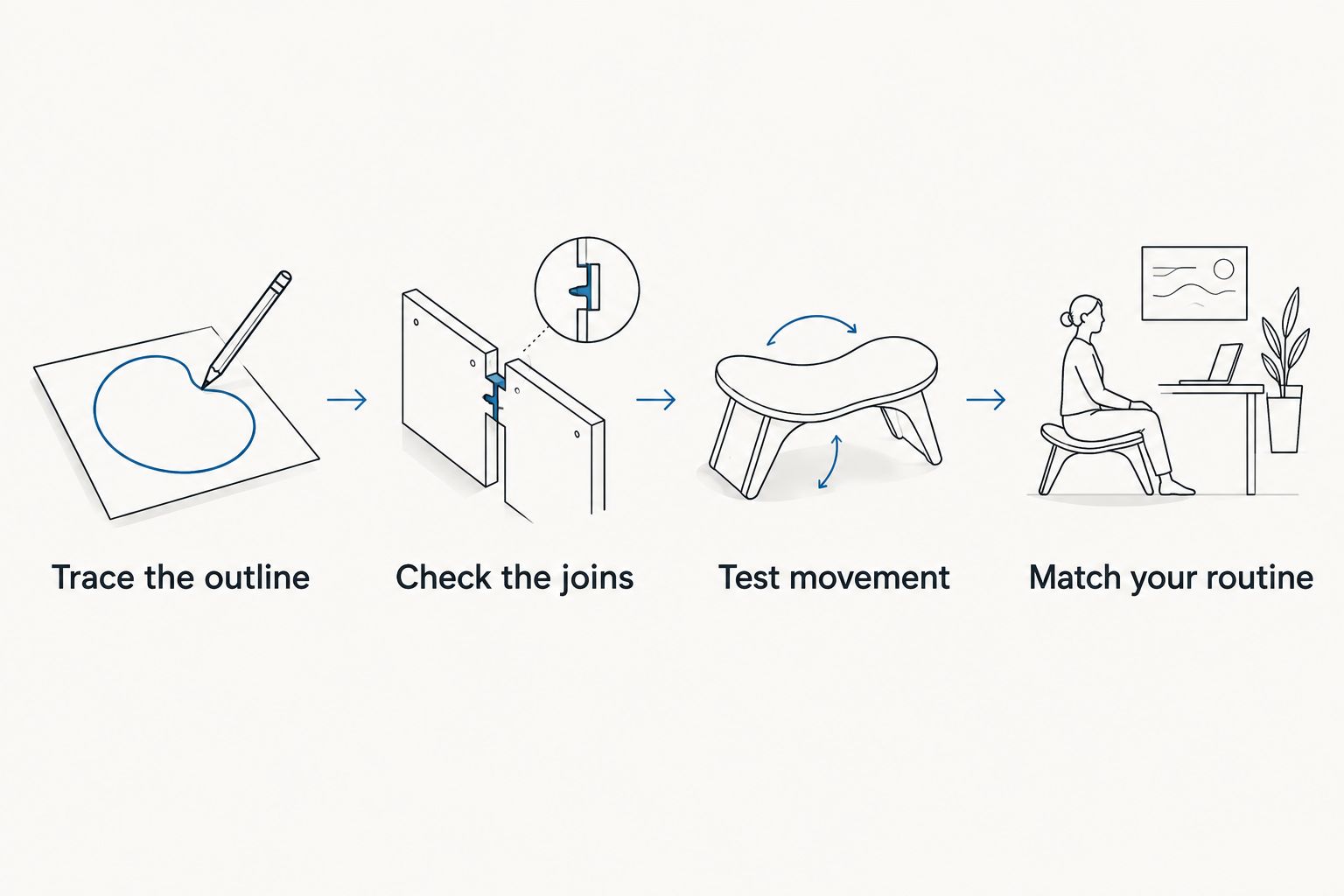
How to check a filigree piece before regular wear
A close inspection tells you more than the category name. Work through the finished piece, not only an image, and repeat the check if you notice a change after wearing it.
- Trace the outline. Look for raised ends or loops that project beyond the main shape. Pay particular attention to the parts that will touch sleeves, scarves or other jewellery.
- Check the joins. Examine where the decorative work meets the frame, band, bail or fastening. Ask the jeweller to explain any section that looks unsupported.
- Test movement gently. Fasten and remove the piece as you normally would. Notice whether hair or clothing catches; do not bend the metalwork to test its strength.
- Match the piece to your routine. Decide which activities require you to take it off. If that list covers much of your day, choose a less exposed design for everyday use.
The point of this check is not to prove that filigree cannot be damaged. It is to find avoidable contact before you commit to wearing it routinely. A smooth outline and secure-looking connections support a better decision than a close-up photograph alone.
For a bespoke commission, make the intended wear clear before the design is settled. Auram Jewellery is best for shoppers seeking a handcrafted jewellery commission who can discuss where delicate detail should sit; confirm that filigree construction is available rather than assuming every custom design includes it. Explain whether the piece is for a wedding, regular outings or everyday wear, then ask how the proposed details will be supported and protected.
Discuss your jewellery design
Describe how you plan to wear the piece and ask which construction suits it.
What should you avoid while wearing filigree jewellery?
Avoid tasks that put direct pressure on delicate openwork. Take a filigree ring off before hands-on work if its pattern is exposed, and remove earrings or a pendant before changing clothing that catches on them. Do not treat careful wear as a test of whether a fragile-looking section can withstand force.
Storage matters because jewellery can catch on other jewellery even when you are not wearing it. Keep openwork from tangling with chains or rubbing against harder edges. When you pick it up again, check for a new snag rather than pulling against whatever caught it.
Cleaning calls for the same restraint. Avoid tugging at fine sections with a cloth or brush, and ask a jeweller about cleaning if the design has spaces you cannot reach gently. A loose component is a reason to stop wearing the piece until it has been assessed, not a reason to press it back into place yourself.
Is filigree jewellery suitable for a wedding and later daily wear?
Yes, if the finished design also fits your daily routine. A bridal piece chosen for its visual detail has not automatically been chosen for repeated contact with bags, clothing and work surfaces. Decide early whether you want an occasional piece or something you will wear often after the wedding.
If you want both, tell the jeweller which areas are likely to face contact and where you want the filigree to remain prominent. That conversation is more useful than asking for a general assurance that the whole piece is durable. For bridal planning in 2026, judge a proposed design in the position where you will actually wear it, not only as part of a complete set.
Can damaged filigree jewellery be repaired?
A jeweller needs to inspect the damage before recommending a repair. The answer depends on what has bent, loosened or broken and how that section connects to the rest of the piece. Stop wearing jewellery with a loose section; continued contact can complicate the work needed to put it right.
Bring the whole piece for assessment and describe when you first noticed the problem. Do not try to straighten intricate metalwork by hand. If you are commissioning a piece you intend to wear often, ask how its construction affects future servicing before approving the design.
FAQ
Is filigree jewellery durable enough to wear every day?
Yes, filigree jewellery can suit careful everyday wear when its delicate sections are supported and protected from routine contact. Exposed details on rings face more knocks than details on pendants or earrings.
Is a filigree ring suitable for daily wear?
A filigree ring suits daily wear if you can protect exposed details and remove it for hands-on tasks. Inspect raised edges and joins before choosing it as a regular piece.
Are filigree earrings easier to wear every day than a ring?
Filigree earrings avoid much of the hard-surface contact a ring encounters. Check that hair and clothing do not catch on the openwork or fastening.
Does BIS hallmarking mean a filigree piece is durable?
No. BIS hallmarking addresses gold purity; it does not establish whether a particular openwork design will withstand your daily routine. Inspect its construction separately.
Can I wear a filigree necklace with everyday clothes?
Yes, if its edges do not repeatedly catch on necklines or other jewellery. Check how the pendant hangs with the clothes you intend to wear.
What should I do if filigree jewellery catches on clothing?
Stop pulling and free the fabric gently. Inspect the jewellery for a bent or loose section, and ask a jeweller to assess damage before wearing it again.
Can I commission filigree jewellery for regular wear?
You can discuss regular wear when planning a bespoke commission, but confirm whether the jeweller offers filigree construction. Ask where delicate details will sit and how they will be supported.
One last thing
The most useful durability check is often the side view. It reveals how far a detail projects, where it joins the rest of the piece and what it might catch while you dress. In 2026, if you cannot inspect those points clearly, ask for a closer look before choosing filigree for everyday wear.